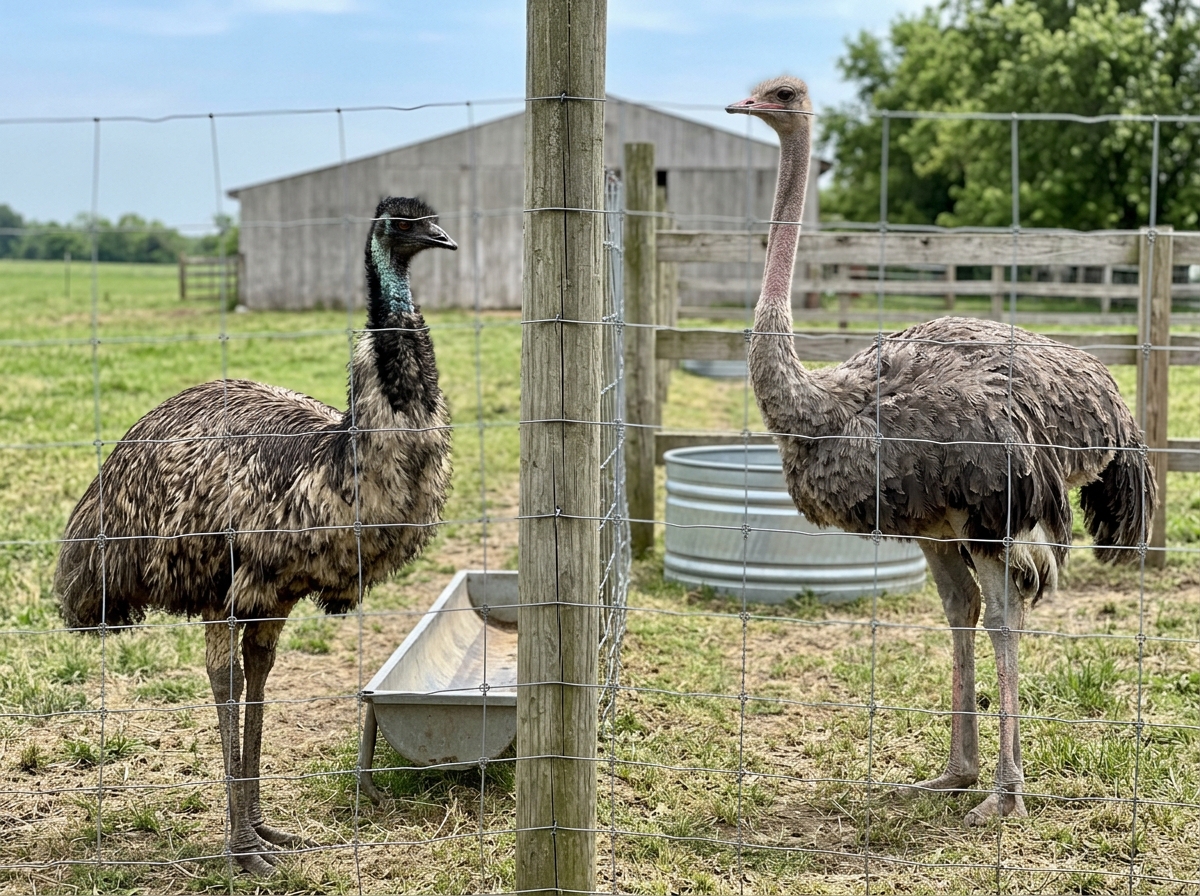
If you can only remember one thing: an emu is the large, shaggy-feathered bird from Australia with a feathered neck, and an ostrich is the taller, bare-necked bird from Africa with a distinctly pinkish skin tone on its neck and legs. That single visual clue is usually enough to tell them apart in a field, at a farm, or in a zoo. But if you are trying to decide which one to keep, farm, or work with, the differences go much deeper than neck feathers, and getting them confused can lead to some genuinely dangerous situations.
Emu Bird vs Ostrich: Differences, Care, Eggs, and Choice

Marcus Hendricks
22 Mar 2026
Quick identification: emu vs ostrich at a glance
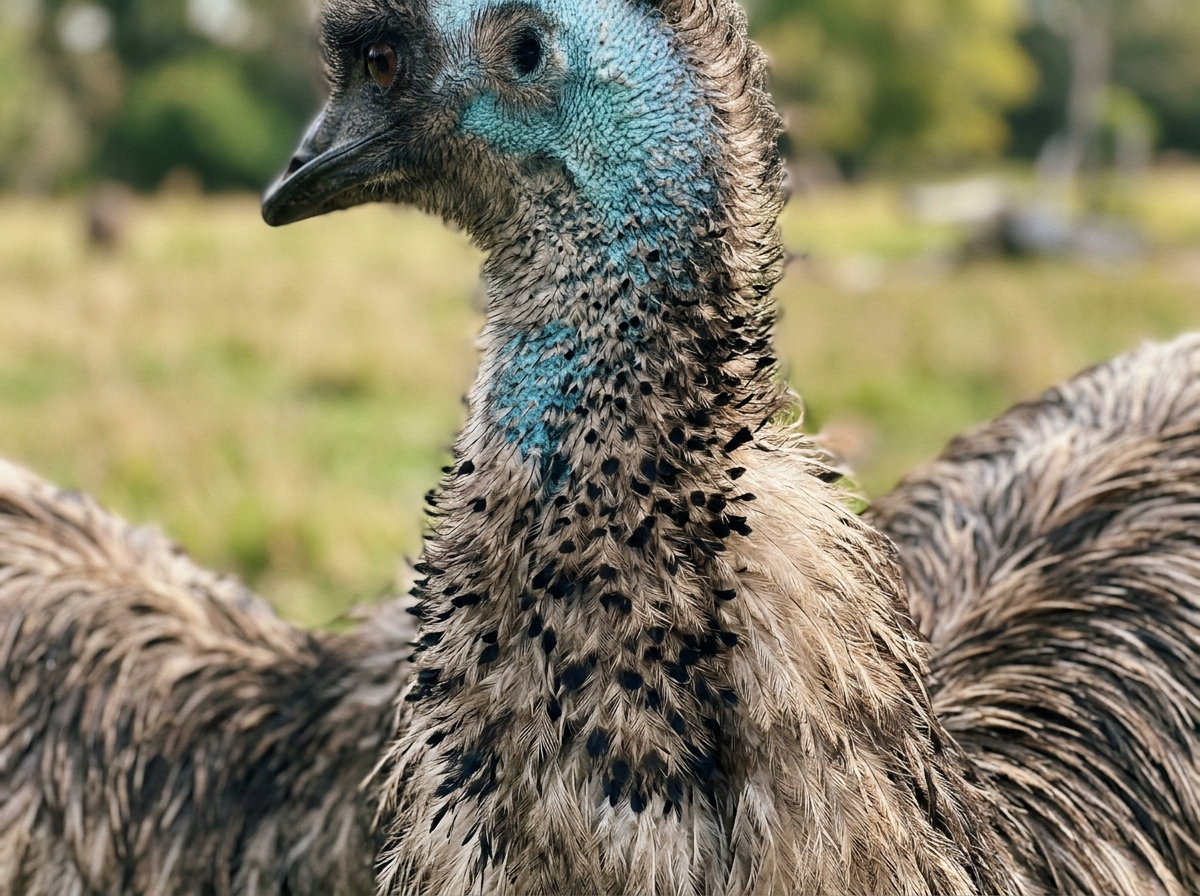
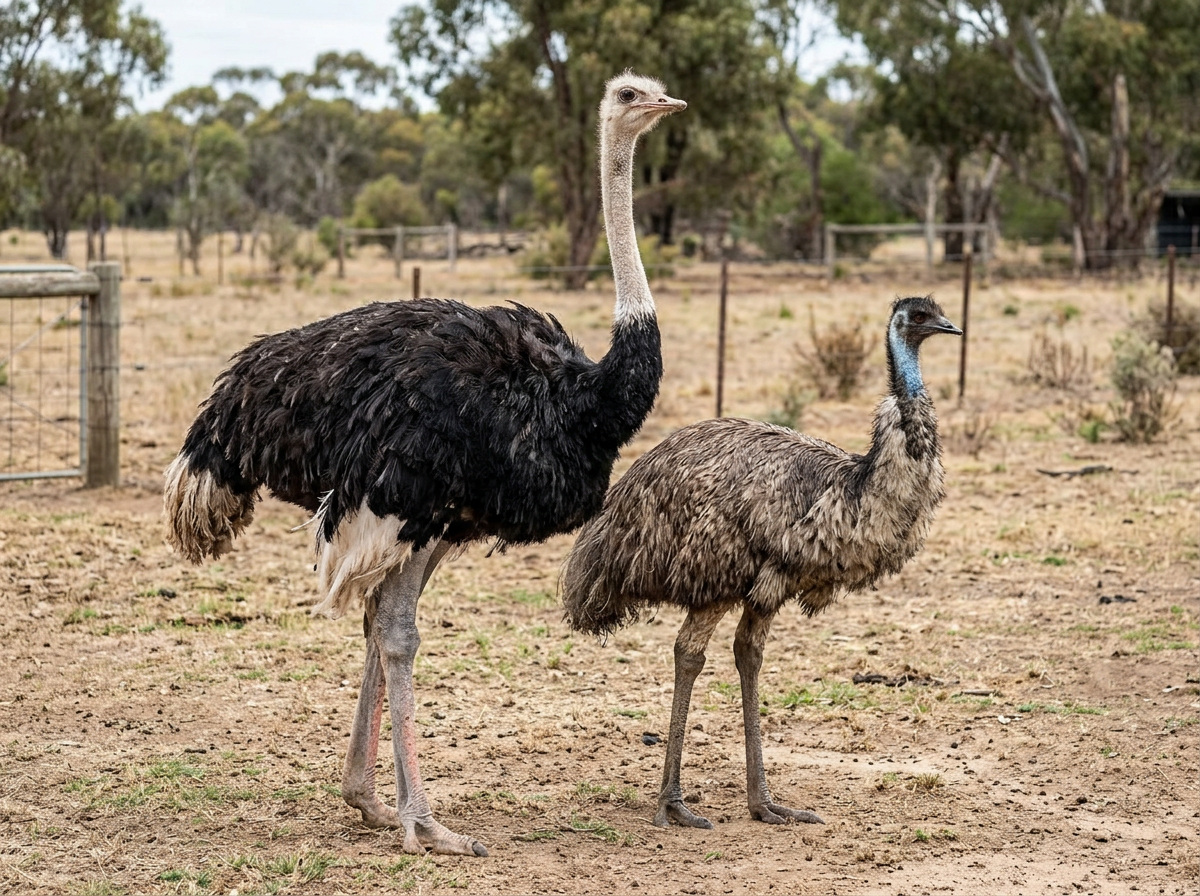
The fastest way to tell these two apart is to look at the neck. An emu has a thicker, more feathered neck with blue-green skin visible in patches and small black feathers, while an ostrich has a long, mostly bare neck with pinkish skin and only thin, hair-like feathering. Once you know that, you will never confuse them again.
From there, the overall silhouette seals the deal. Ostriches look long and stretched, with a notably rounded body, very long legs, and a neck that extends well above the back. Emus look more compact and shaggy, with shorter legs relative to their body size, a lower center of gravity, and plumage that hangs in loose, doubled brown feathers that give them a slightly unkempt, almost furry look. Ostriches also have clearly visible wings that form a fluffy skirt around their body, while emu wings are so small they are barely noticeable under the feathers.
One more quick tell: count the toes. Emus have three toes. Ostriches have only two, which is unique among living birds. If you are ever close enough to check the feet, that settles it instantly.
| Feature | Emu | Ostrich |
|---|---|---|
| Neck appearance | Thick, feathered, blue-green skin patches | Long, bare, pinkish skin |
| Body silhouette | Compact and shaggy | Tall, rounded, elongated |
| Legs | Shorter, three toes | Very long, two toes |
| Wing visibility | Nearly invisible under feathers | Large, fluffy, clearly visible |
| Feather texture | Soft, loose, doubled brown plumage | Fluffy, cotton-like barbule structure |
| Overall size | Up to 6 feet tall, up to 100 lb | Up to 9 feet tall, up to 320 lb |
Size, appearance, and physical traits that differ
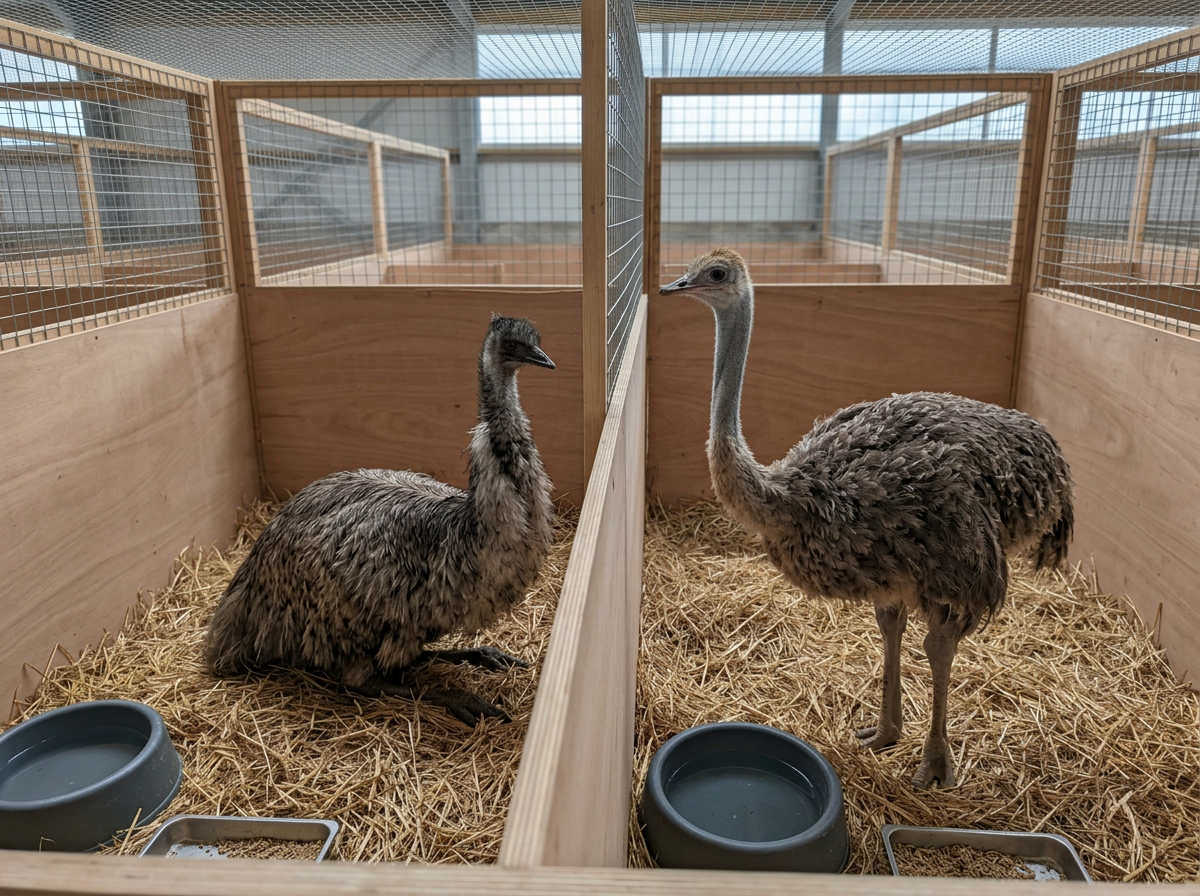
Emus are big birds, no question. Adults can reach up to six feet in height and weigh more than 45 kg (100 lb). But ostriches make emus look modest. A fully grown ostrich can stand close to nine feet tall and tip the scales at well over 300 lb, making them the largest living bird on earth by a wide margin. If you are standing next to an adult ostrich, you are very aware of that size difference.
The feather story is interesting too. Emu plumage is soft and loose, made up of doubled brown feathers that give the bird its shaggy, almost disheveled appearance. The coloring varies from light to darker shades of brown depending on age and condition. Ostrich feathers are different in structure, with long barbules that create that fluffy, almost cotton-like texture you see on feather boas and decorative items. That structural difference is why ostrich feathers are commercially prized in a way emu feathers are not.
Leg proportions are another clear marker. Ostriches have extremely long, muscular legs that are built for covering ground fast (they can sprint at up to 45 mph). Emu legs are shorter and slimmer by comparison, though still very capable of delivering a hard kick forward with their three-toed feet. Both birds are ratites, meaning flightless birds with a flat breastbone (no keel), and both share that upright, dinosaur-like posture that makes them instantly recognizable as something other than a typical farm bird.
Behavior and temperament basics for owners
P|Both birds can be dangerous, and that is not an exaggeration. An ostrich kick can seriously injure a handler, and once an ostrich is restrained, it may back up and kick anyone standing in front of it. The Merck Veterinary Manual specifically flags ostrich handling as comparatively hazardous, and several countries (including Scotland) classify ostriches as dangerous wild animals subject to licensing requirements. That classification exists for good reason.
Emus are generally considered more manageable than ostriches, but they still demand respect and proper training for safe handling. One specific risk with emus is their tendency toward foreign body ingestion: they will pick up and swallow shiny or unusual objects out of curiosity, which can cause serious internal problems. Open Sanctuary flags this as something emu keepers need to actively manage by keeping enclosures clear of debris, loose hardware, and other attractive but dangerous items.
In terms of social behavior, ostriches are naturally gregarious and do well in groups. In the wild, they form communal nesting groups where a dominant territorial male and a primary female handle incubation, while other females may also lay eggs in the same nest. Emus, by contrast, tend toward a more paired dynamic during breeding season. Their mating season begins around December to January (reflecting their Southern Hemisphere origins), and their social structure during that period is more focused on individual pairs than communal groups.
A practical tip borrowed directly from ratite management guidance: before you ever try to physically handle either bird, spend time observing them from a distance while they move around their enclosure. Watch their gait, body condition, and general behavior. This tells you a lot about their health and character before you get close enough to be at risk.
Diet and everyday care/management considerations
Neither of these birds eats like a chicken, and feeding them like one is a mistake. Both are ratites with species-specific nutritional requirements that change across life stages, and their calcium, protein, and mineral needs during breeding season are different from maintenance requirements. Merck's ratite nutrition guidance makes this clear: you cannot just throw general poultry feed at them and call it done.
For emus, a high-fiber, balanced-protein pelleted feed is the foundation during non-breeding maintenance periods. Mazuri's emu maintenance pellet is a commonly used commercial option, formulated to help prevent obesity (a real problem in captive emus) while providing complete nutrition including calcium, phosphorus, vitamins, and key amino acids like methionine. This should be supplemented with access to pasture or lucerne where possible, and water quality matters: clean, bacteria-free water is a consistent requirement in emu feeding management guidance.
Ostriches eat more, full stop. A rough guideline from husbandry literature puts their fresh forage intake at around 5 to 6 kg of fresh material daily, often as a mixed diet combining pellets, grain, roughage, and greens. Ostriches are grazers by nature, meaning grass and low-growing vegetation are their primary forage base. Salt blocks with a balanced vitamin and mineral supplement are a common addition in captive management. Both species benefit from access to natural foraging opportunities, and for emus especially, multiple forage areas help reduce boredom-related problem behaviors.
On the infrastructure side, fencing is the big practical difference between keeping ratites and keeping standard poultry. Emus can reach up to six feet tall, so fencing needs to be significantly taller than typical poultry barriers to prevent escape. Ostriches are even taller, and their strength means fencing also needs to be robust, not just high. Both species need enclosures designed with ratite-sized animals in mind, which means more land, stronger materials, and more thought about access gates and handling facilities than most new keepers initially expect.
Egg differences and incubation/practical handling notes
If you are into ratite farming or incubation, the egg differences between these two species are significant and very practical.
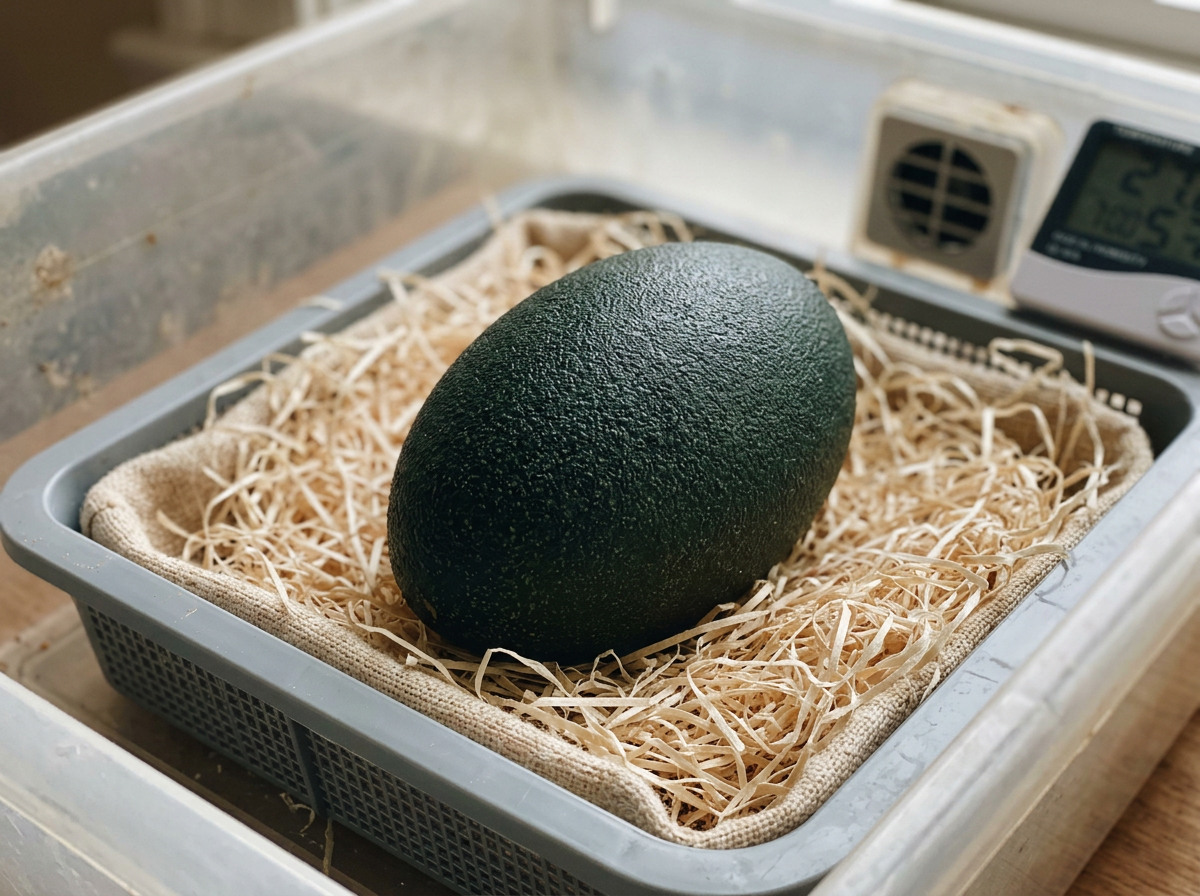
Emu eggs are dark green, sometimes described as almost black, and they get darker as incubation progresses. A typical clutch is around 9 to 12 eggs, and each egg weighs roughly 1 to 1.5 pounds. The male does all the incubating, sitting on a ground nest for approximately 56 to 60 days. During that time, eggs are turned regularly. In artificial incubation setups, GQF's guidance puts the emu incubation window at around 43 to 50 days with final rotation stopping around days 44 to 46.
Ostrich eggs are shiny and whitish, roughly 15 cm long and 13 cm wide, and weigh about 1.4 kg (just over 3 pounds), making them the largest egg of any living bird. Natural incubation runs approximately 35 to 45 days depending on conditions, with the dominant male handling most of the night sitting and the primary female incubating during the day. In artificial settings, OSU Extension and GQF both place the ostrich incubation period at around 42 to 48 days, with egg turning stopping around days 38 to 40.
| Egg trait | Emu | Ostrich |
|---|---|---|
| Color | Dark green (darkens during incubation) | Shiny, whitish |
| Weight | ~1 to 1.5 lb (0.45 to 0.68 kg) | ~3 lb (1.4 kg) |
| Size | Roughly fist-sized | ~15 cm long, 13 cm wide |
| Clutch size | 9 to 12 eggs | Variable; communal nest can hold many |
| Natural incubation period | ~56 to 60 days | ~35 to 45 days |
| Artificial incubation period | ~43 to 50 days | ~42 to 48 days |
| Who incubates (wild) | Male only | Male (nights) and dominant female (days) |
One practical note for anyone handling emu eggs: because the shell darkens progressively during incubation, candling is harder than with lighter-colored ostrich eggs. Ostrich eggs, being whitish and smoother, are generally easier to candle and monitor. If you are setting up an artificial incubation program, that handling difference is worth factoring into your equipment and workflow planning.
Choosing between emu and ostrich: space, suitability, and next steps

Here is the honest answer: for most people who are new to ratites, emus are the more practical starting point. They are smaller, require less fencing height (though still tall fencing), are generally considered more manageable than ostriches in terms of day-to-day handling, and their dietary needs are somewhat easier to meet on a smaller operation. They are still demanding animals that require real infrastructure and informed handling, but compared to ostriches, the margin for error is wider.
Ostriches are the better choice if you have significant land, experience with large exotic animals, and a specific goal such as feather production, leather, or meat at scale. They are naturally gregarious and do well in group settings, which can make managing a productive flock more efficient once you have the right facilities in place. But the safety requirements are genuinely serious. Their kick can put a handler in the hospital, and several jurisdictions require licensing to keep them at all. If you are not prepared to invest in proper handling facilities and ongoing safety training, ostriches are not the right bird.
Space is the other major factor. Both birds need significantly more room than poultry, but ostriches need more of everything: taller fences, larger paddocks, more daily feed volume. If your land or budget is limited, that alone may make the decision for you.
Your practical checklist for choosing and identifying correctly

- Neck check first: feathered and thicker means emu; bare, pinkish, and long means ostrich
- Count the toes if you can get close safely: three toes is an emu, two toes is an ostrich
- Look at overall height and leg length: ostriches are dramatically taller with longer, more exposed legs
- Check local regulations before acquiring either bird: ostriches are classified as dangerous wild animals in some jurisdictions
- Plan fencing for ratite scale, not poultry scale: at minimum six feet for emus, higher and stronger for ostriches
- Clear enclosures of shiny or loose objects for emus specifically, as they are prone to swallowing foreign bodies
- Choose emus if you are newer to ratites, have moderate space, and want a more manageable bird
- Choose ostriches if you have large land, commercial goals, experience with exotic animals, and proper handling infrastructure
- For incubation: expect darker green eggs with a longer natural incubation from emus (56 to 60 days), and shiny white larger eggs with a shorter incubation window from ostriches (35 to 45 days naturally)
- Feed species-appropriate ratite diets at the right life stage, and do not substitute generic poultry feeds
If you are exploring ratites more broadly, comparisons with other large flightless birds like the moa and the elephant bird vs little bird can give you useful evolutionary context for understanding why these two species look and behave the way they do. But for practical purposes today, the emu vs ostrich decision comes down to your space, your experience level, your goals, and how honestly you assess the safety requirements. Get those four things right and you will land on the correct bird for your situation.
FAQ
If the birds are young, how can I tell emu bird vs ostrich correctly every time?
Use age and weight ranges, not appearance alone. Emus and ostriches both change neck feathering and skin tone as they mature, so a juvenile ostrich can look less obviously pink. If you are unsure, confirm with toe count (emu has three, ostrich has two) and body proportions (ostriches have longer legs relative to the body and a more stretched silhouette).
Are emus and ostriches interchangeable for housing and routines since both are flightless ratites?
Not necessarily. A “ratite” label does not mean identical care. Emu enclosures should prioritize debris control because emus are prone to ingesting shiny or unusual objects, while ostrich setups need extra emphasis on escape-proof fencing and handler-positioning because the key risk is kicking after restraint. Treat their risks and feeding as species-specific, not generic ratite husbandry.
How do I change feeding for emu bird vs ostrich when breeding season starts?
Don’t assume one feeding schedule fits all. For both species, breeding season increases nutrient and mineral demands, so pellets or mixed rations that work for maintenance may under-supply calcium and minerals when breeding starts. Build a plan by life stage (non-breeding, breeding, and post-breeding) and adjust forage access accordingly.
What’s the biggest water or sanitation difference I should plan for with emu bird vs ostrich?
Expect different management around water and sanitation. Emus are particularly sensitive to water quality because bacteria and contamination can quickly turn into health problems. For ostriches, the bigger challenge is often intake volume and keeping water and feeding areas clean enough to prevent diet spoilage, especially in warm weather.
What enclosure mistakes most commonly cause health problems for emus (especially foreign body ingestion)?
Yes, but the safest approach is prevention. Since emus may swallow foreign objects, remove or secure anything that could be grabbed, including loose hardware, string, feed bag ties, and easily shed items near the fence line. For both species, keep feeding equipment sturdy to reduce broken pieces becoming ingestible hazards.
What handling workflow should I use to reduce kick risk when working with an ostrich vs an emu?
Ostriches and emus both have strong kicks, but ostriches are more hazardous during close handling because they may back up and kick forward from the restraint position. If you must work around them, design a workflow that keeps you out of the potential kick line, use purpose-built gates or chutes, and avoid improvising with temporary barriers.
Which egg is harder to monitor by candling, emu eggs or ostrich eggs, and why does it matter?
Plan for different egg-handling timing and monitoring. Emu eggs get darker as incubation progresses, which makes candling less straightforward and can slow down decision-making if you rely heavily on visual checks. Ostrich eggs are easier to candle because of their lighter, smoother shells, so monitoring can be more consistent during manual evaluation.
If I’m doing artificial incubation, do I need different equipment for emu bird vs ostrich eggs beyond just the incubator setpoint?
Yes. Ostrich eggs are larger and heavier, which changes team size and lifting mechanics, and their incubation workflow may require different turning equipment and handling frequency safeguards. Emu eggs are smaller, but because shells darken, you may need a more conservative approach to interpreting candling results before taking corrective action.
What legal or licensing issue is most likely to block an ostrich purchase compared to an emu?
Licensing and legal status can differ by country and even region, and some places treat ostriches as “dangerous” requiring specific permits and facilities. Before buying, check local regulations for both species, including transport rules and housing requirements, rather than assuming they follow standard farm animal rules.
What’s the most common reason beginners regret choosing an ostrich over an emu?
If you are inexperienced, the biggest “hidden” constraint is facility design and daily work capacity, not just fencing height. Emus generally offer a wider margin for errors in day-to-day handling, but they still require proper training and strict debris control. Ostriches can be manageable long-term only when you already have safe handling infrastructure and procedures in place.
Next Articles
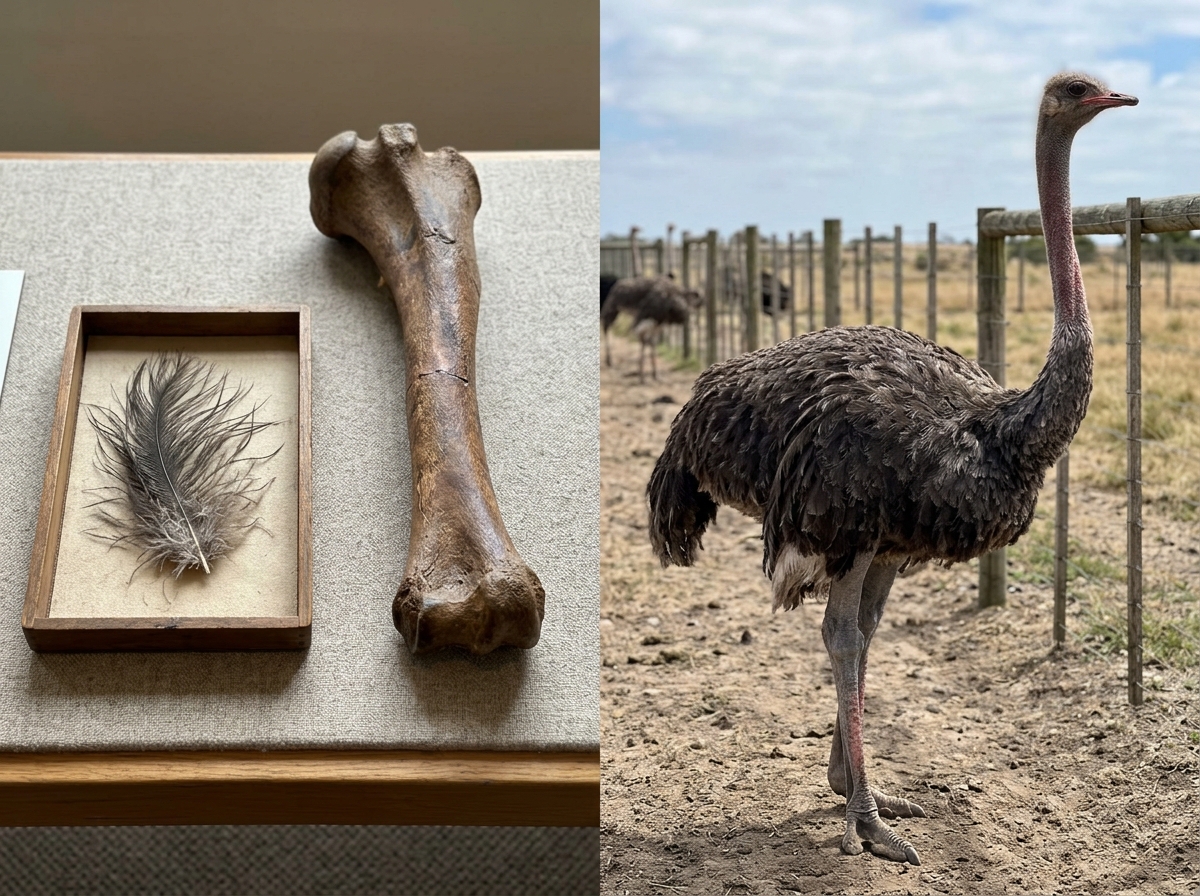
MOA Bird vs Ostrich: Key Differences and Care Guide
MOA bird vs ostrich: how to tell them apart and how to handle, house, and feed each safely.
Opila Bird vs Banbaleena: How to Tell Them Apart Fast
Quickly distinguish Opila bird from Banbaleena with key identifiers, verification steps, and next actions for sightings
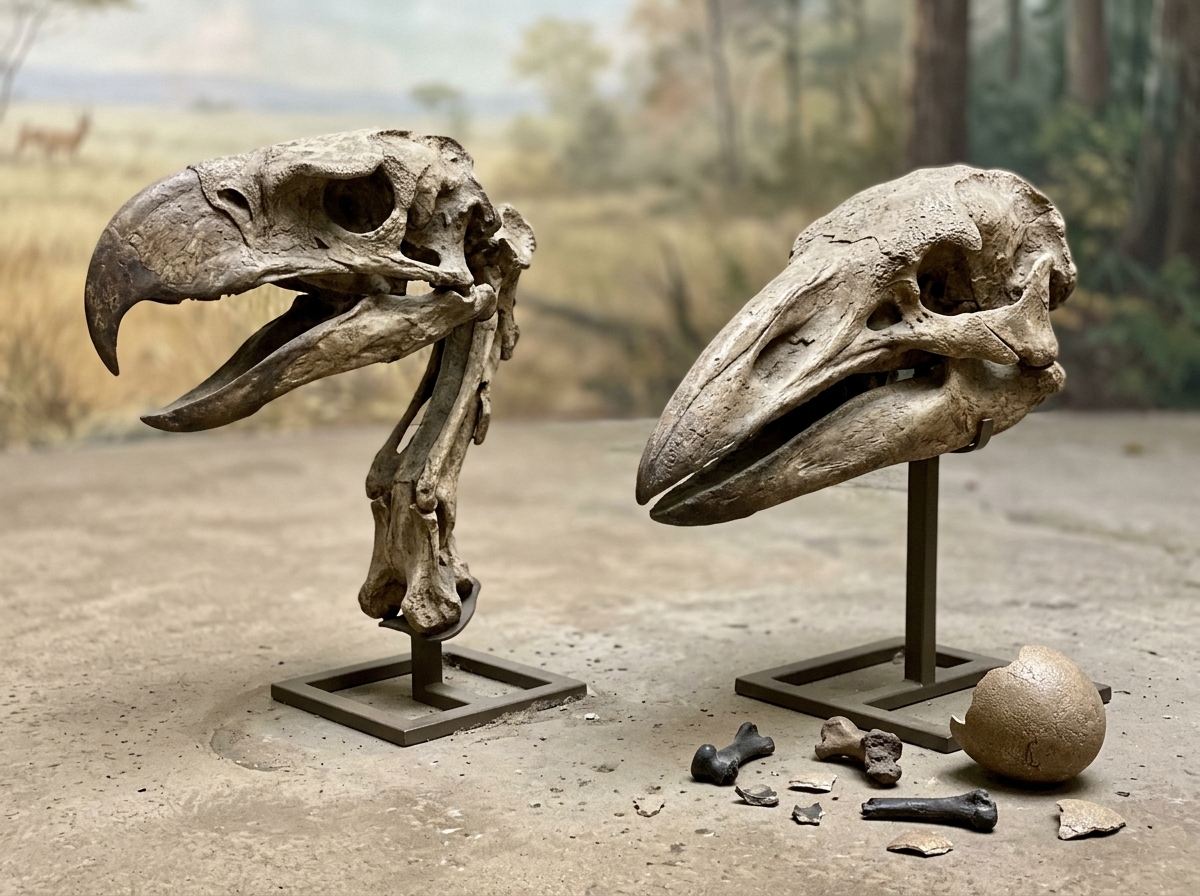
Elephant Bird vs Terror Bird: Key Differences, Size, Habitat
Learn elephant bird vs terror bird differences: size, habitats, diets, time periods, and quick fossil identification tip