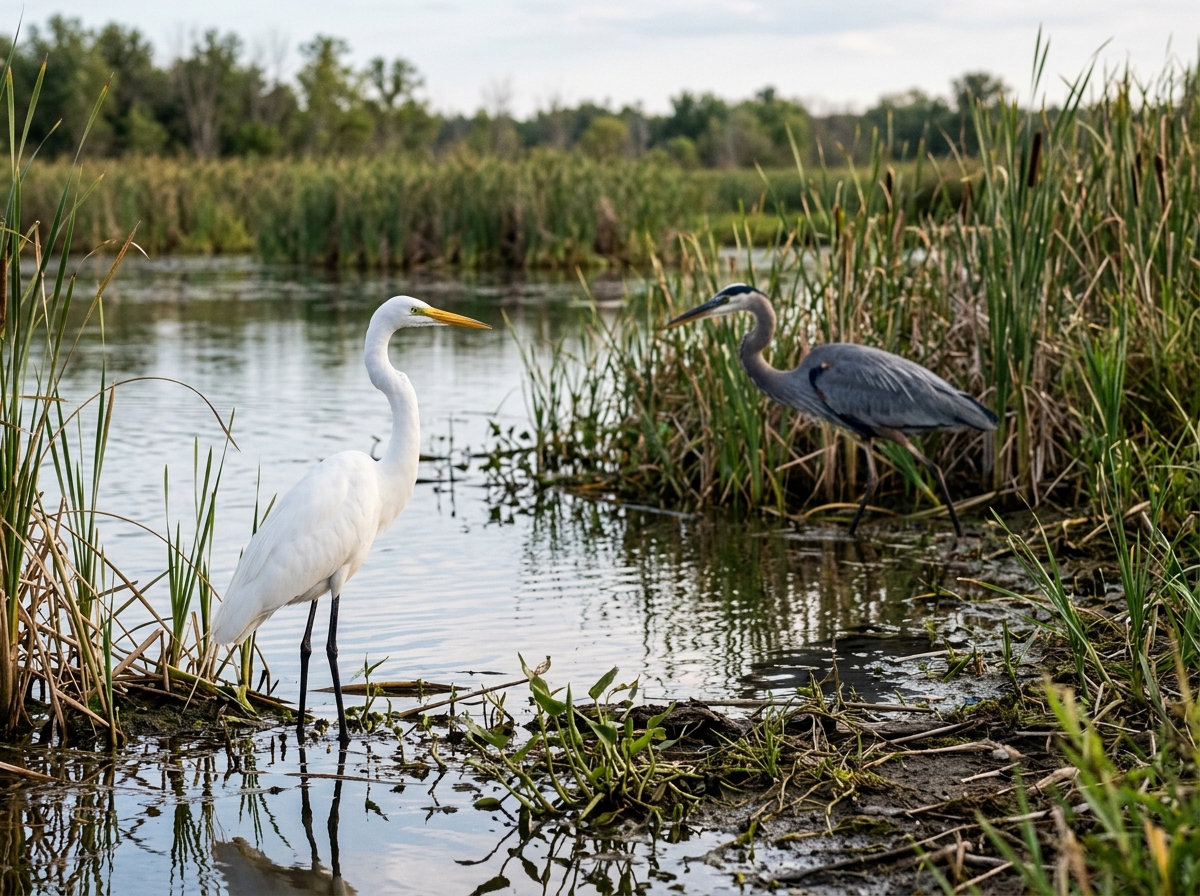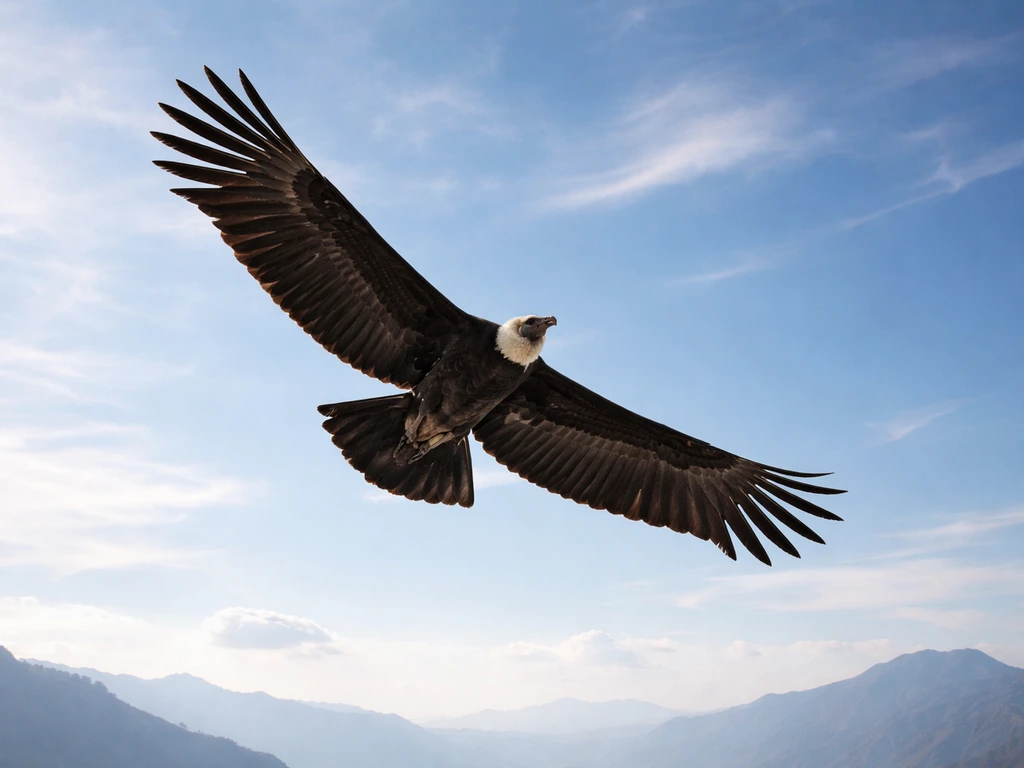
You can tell an egret from a crane in under a minute if you know exactly where to look. The single fastest cue is neck posture: egrets carry their neck in a tight S-curve, pulled back toward the body, while cranes hold their neck out straight like a rod, both when standing and when flying. That one habit alone eliminates about 90% of the confusion. But there's more to the story, especially when lighting is bad, birds are young, or you're looking at an unfamiliar species. Here's everything you need to sort it out confidently.
Egret Bird vs Crane: How to Tell Them Apart Fast

Marcus Hendricks
5 Apr 2026

Why people mix up egrets and cranes in the first place
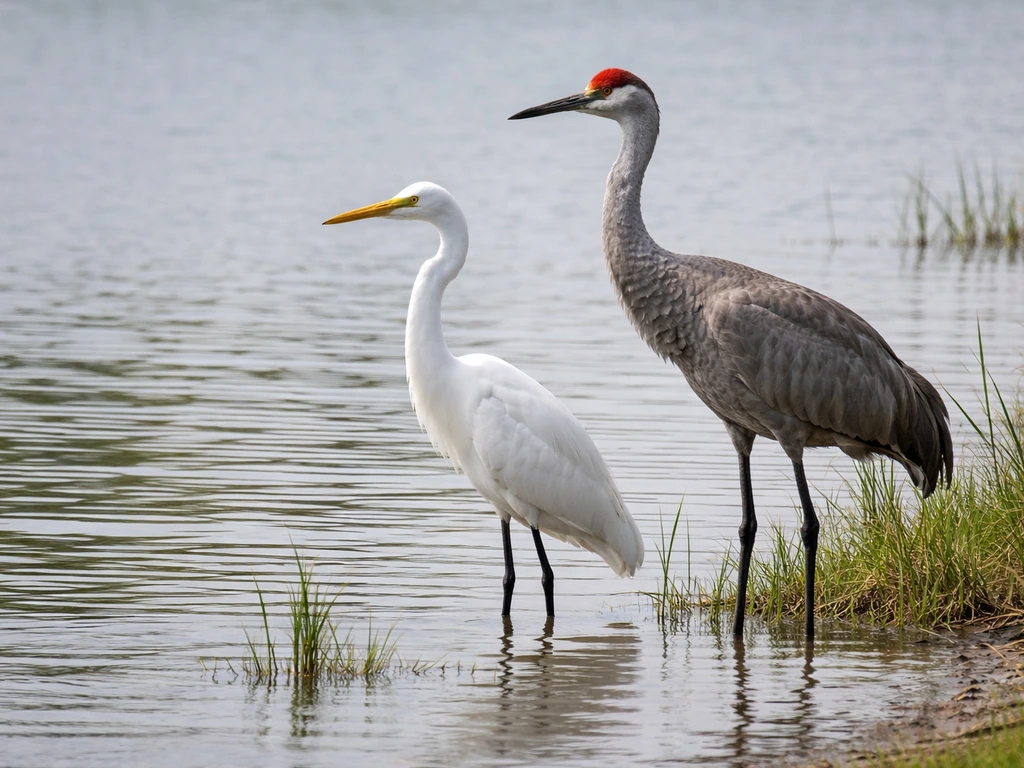
Both egrets and cranes are tall, long-legged, long-necked birds that often stand near water. At a quick glance, especially across a field or through heat shimmer, they genuinely look similar. Both can appear white or pale in certain lighting, both wade through shallow water, and both can stand motionless for stretches of time. The confusion is completely understandable, and experienced birders have been fooled too. The good news is that once you understand a few core differences in structure, behavior, and habitat, these birds become very easy to separate.
Egrets are actually a type of heron (family Ardeidae), not a separate evolutionary lineage. Cranes belong to a completely different family (Gruidae). That family distinction produces real, visible differences in the way each bird is built and the way it moves. Understanding that you're comparing a heron-type bird to a crane-type bird is the mental frame that makes all the other cues click into place.
Physical differences: what each bird actually looks like
Size and body shape
The Great Egret, which is the egret you're most likely to encounter in North America, measures about 37 to 40.9 inches (94 to 104 cm) in body length. That makes it a big bird by most standards, but a Sandhill Crane typically stands taller overall with a bulkier body. The Whooping Crane is even larger and is genuinely unmistakable at close range due to its sheer size. Egrets tend to look slender and almost delicate, while cranes have a stockier frame that widens toward the tail, sometimes described as having a bustle or puffed-out rear. The body shape alone gives you a useful first impression before you even get to specific features.
Neck: the most reliable quick cue
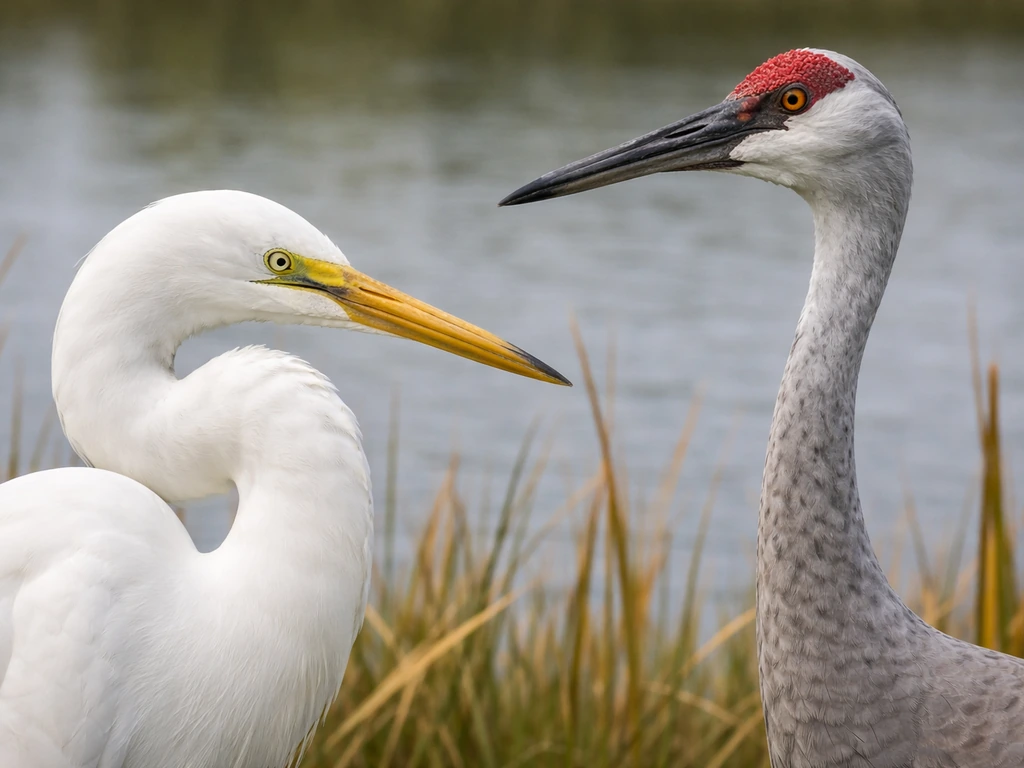
This is the big one. Egrets hold their neck in a pronounced S-curve, which pulls the head back over the shoulders. In flight this shows as a distinct bulge, almost like a kink or hump in the bird's silhouette. Cranes do the opposite: they extend the neck out straight, both at rest and in flight, giving them a stick-like line from head to tail. If you see a large white or gray wading bird in flight and the neck is ruler-straight, you're almost certainly looking at a crane. If the neck is pulled back into a fold, it's a heron or egret.
Bill shape and color
Egret bills are dagger-like: long, sharp, and pointed. The Great Egret's bill is yellow. The Missouri Department of Conservation field guide notes that Great Egret identification includes a large yellow bill and black legs and feet, and it lists typical length of about 39 inches and wingspan of about 51 inches [The Great Egret's bill is yellow. ](https://mdc.
mo. gov/discover-nature/field-guide/great-egret). The Snowy Egret's bill is black with yellow on the lores (the area between the bill and the eye). Crane bills are stout, long, and straight, but proportionally heavier and less needle-like than an egret's.
The Sandhill Crane shows a bare red crown patch on top of its head, which egrets lack entirely. The Whooping Crane has a similarly stout, dark bill. Bill shape is one of the best features to study closely when you have a good view.
Legs and feet

Both groups have long legs, but the color and thickness differ usefully. The Great Egret has entirely black legs and feet. The Snowy Egret has black legs with bright yellow feet, a feature so distinctive that birders jokingly call them "golden slippers." Cranes tend to have darker, thicker legs that match their heavier body proportions. Leg color alone isn't always reliable in bad light, but the combination of leg color plus neck posture is almost always enough to confirm an ID.
Plumage at a glance
Most common egrets in North America are white: the Great Egret is entirely white with no exceptions, and the Snowy Egret is also all-white in adult plumage. Sandhill Cranes are gray, not white, which is actually a very useful separator when you see them clearly. Whooping Cranes are white as adults but have contrasting dark legs and a dark bill. Young Whooping Cranes are cinnamon-orange on the head and upper neck with buffy markings across the back, so they can look quite different from the white adults.
| Feature | Great Egret | Snowy Egret | Sandhill Crane | Whooping Crane |
|---|---|---|---|---|
| Body length | 37–41 in (94–104 cm) | Smaller, medium-sized | Larger, stocky frame | Very large, tallest North American bird |
| Neck in flight | S-curve, pulled back | S-curve, pulled back | Straight, extended | Straight, extended |
| Bill | Yellow, dagger-like | Black (yellow lores) | Stout, straight | Stout, dark, straight |
| Leg color | All black | Black with yellow feet | Dark, thick | Dark, contrasting |
| Plumage (adult) | All white | All white | Gray | White with dark accents |
| Head markings | None distinctive | Yellow lores (breeding) | Bare red crown patch | Red crown patch (adults) |
How each bird moves and behaves
Feeding style
Egrets are typically patient, stealthy hunters. They stand still in shallow water and strike fast with that dagger bill when prey comes within range. The Snowy Egret is the exception: it's surprisingly animated, running back and forth through the shallows, sometimes spreading its wings to startle fish, and actively chasing prey. Cranes feed very differently.
Sandhill Cranes glean and probe on land or in shallow marshes, working the ground like large, methodical foragers. Whooping Cranes browse and probe rather than stalking prey stealthily. In short, if you see a white bird actively running through the water in bursts, it's almost certainly a Snowy Egret. If you see a big bird walking steadily through a field or wet meadow and pecking at the ground, crane is the better bet.
Posture on the ground
When standing still, egrets often adopt a hunched or coiled look because of that S-curved neck. They can appear to have a shorter neck than they actually do. Cranes stand tall and upright with the neck fully extended, giving them a proud, column-like silhouette. If you see a large bird standing near water and it looks alert and bolt-upright, think crane first.
Flight silhouette
Flight is where this distinction becomes unmistakable. Egrets in flight show that deep neck fold pulled back against the body, long legs trailing beyond the tail, and relatively slow, broad wingbeats. The neck kink is very visible even at long distances. Cranes fly with the neck and legs both outstretched in a straight line from bill tip to toe, with steady, rhythmic wingbeats. Cranes also tend to soar more than egrets and can gain significant altitude, especially during migration. If you can only see a bird in flight and can't make out color details, the neck position is your best single tool.
Where each bird is likely to be
Egrets are almost exclusively associated with water: marshes, pond edges, coastal mudflats, river margins, and flooded fields. You'll rarely see one far from a water source. Cranes have a much wider habitat profile. Sandhill Cranes use open grasslands, wet meadows, harvested agricultural fields, shallow lakes, wetland edges, and sandbars. They're comfortable far from open water in ways that egrets aren't. If you're watching a large bird foraging in a dry cornfield or a broad meadow with no water nearby, a crane is far more likely than an egret.
Migration patterns also help with timing. Sandhill Cranes are famous for their mass stopovers: over 500,000 of them converge on the Platte River basin in Nebraska every March, one of the most spectacular wildlife events in North America. They winter in the south and breed in the north, so in spring and fall you're much more likely to encounter them in large open flocks in transitional habitats. Egrets don't migrate in those kinds of concentrated flocks and are generally more solitary foragers, though they do roost communally.
Fast ID checklist for the field

Run through these in order. You usually won't need to get past step three.
- Check the neck in flight first. S-curve pulled back = egret/heron family. Straight and extended = crane.
- Look at the standing posture. Hunched or coiled neck = egret. Bolt-upright with a tall, straight neck column = crane.
- Check the overall color. Gray bird = almost certainly a Sandhill Crane. White bird = could be egret or (less commonly) Whooping Crane.
- Look at the bill. Yellow dagger = Great Egret. Black dagger with yellow at the base = Snowy Egret. Thick, heavy straight bill = crane.
- Check the legs and feet. Black legs with yellow feet = Snowy Egret. All-black legs = Great Egret. Dark thick legs without yellow feet = crane.
- Look at the head. Bare red patch on top of the crown = crane (Sandhill or Whooping). No crown patch = egret.
- Observe foraging behavior. Stalking patiently at the water's edge = egret. Walking and probing through a field or meadow = crane.
- Check the habitat. No water nearby at all = lean strongly toward crane. Shallow water with fish = lean toward egret.
Common traps that mislead people: a Great Egret standing fully upright with its neck extended can briefly look crane-like. Always confirm with flight silhouette or foraging behavior before committing to an ID. Also, Sandhill Cranes can stand near water just like egrets, so habitat alone isn't definitive.
Other waders that can muddy the water
Egrets and cranes aren't the only tall, long-legged birds out there. Several other species can enter the picture and complicate your ID, especially in mixed-species habitat or poor light.
The Great Blue Heron is one of the most common confusers. It's large, blue-gray, and uses the same S-shaped neck posture as egrets. If you're seeing a non-white large wading bird and assuming it's a crane, double-check: it could easily be a Great Blue Heron. The heron's S-curve neck in flight is your confirmation that it's not a crane. You can explore more detail on separating these birds in this guide to egret bird vs heron differences.
The Cattle Egret is another common trap. It's smaller than a Great Egret, with a short thick bill (not a long dagger), and it changes plumage dramatically between breeding and non-breeding seasons. It also tucks its neck in close to the body in flight, just like other egrets and herons, so neck posture still works as a separator from cranes. Cattle Egrets often forage in dry fields around livestock, which can make beginners think "crane," but the small size and tucked neck rule that out quickly.
Juvenile Little Blue Herons add another layer of confusion because they're all-white as juveniles, not blue. They're often mistaken for Snowy Egrets. The key difference: the Snowy Egret has an all-black bill and black legs with yellow feet, while a juvenile Little Blue Heron has a grayish or greenish-yellow leg tone and a differently colored bill. If you enjoy sorting out waterbird mysteries, you might also find it useful to look at how other long-necked diving waterbirds compare, like the comparison of anhinga bird vs cormorant, which covers another group of tall, angular waterbirds that can cause momentary confusion at a distance.
Another species worth knowing is the Anhinga, sometimes called the snakebird for its long sinuous neck held above the water. This bird uses wetland habitats similar to egrets and can cause brief confusion when perched or swimming. For a deeper look at how that plays out, the snake bird anhinga vs cormorant comparison covers the key structural separators in that group. And if you're birding in coastal or open-ocean zones and see a large, long-winged seabird soaring, that's a whole different category worth reading about, like the contrast between a frigate bird vs albatross, two very different long-winged birds that confuse ocean-going observers in the same way egrets and cranes confuse inland birders.
One more niche confusion worth mentioning: if you're birding in South or Southeast Asia, the Indian Roller (Neelkanth) and kingfishers occupy a completely different size class but share wetland margins with egrets. Understanding how birds in the same habitat relate is covered well in the neelkanth bird vs kingfisher comparison, which is a good reminder that habitat type alone doesn't ID a bird.
When you should take a second look
Lighting and distance
Backlighting can wash out all color and make any large white bird look the same. In harsh midday light, a Sandhill Crane's gray plumage can look washed out and pale, closer to white. In these conditions, rely on shape and behavior rather than color. The neck posture and body proportions don't change with lighting, so those structural cues remain reliable even when color is unreliable.
Juvenile and immature birds
Young birds of both groups can look very different from adults. Juvenile Whooping Cranes are cinnamon-orange on the head and upper neck with buffy, cinnamon markings across the back and dull gray-brown underparts. They look nothing like the white adults and can puzzle even experienced observers. Young egrets can also show intermediate plumage, and Cattle Egret adults change appearance dramatically with the seasons. When in doubt with a juvenile or immature bird, focus on structure: size, neck posture, bill shape, and leg proportions are more stable than plumage color at any age.
Breeding plumage vs. non-breeding plumage
Adult Snowy Egrets in breeding plumage show a black bill with distinctly yellow lores (that bright patch between bill and eye), but outside the breeding season this contrast can be subtler. The Great Egret's yellow bill is more consistent year-round and is a reliable anchor point. Never rely on a single color cue without a supporting structural confirmation, especially in shoulder seasons like late summer or early fall when birds are transitioning between plumages.
How to verify when you're not sure
If you're still uncertain after running through the checklist, take a photo even with a phone and zoom in later. Check your location against known crane migration corridors: if you're in the Great Plains in March or October and you're seeing large gray or white birds in fields, Sandhill Cranes are extremely likely. If you're at a coastal marsh on the East Coast with no crane migration history, a large white wading bird is almost certainly a Great Egret. Use location, season, and habitat together as a triangle of confirmation. If all three point the same direction, you can be confident in your ID even without a perfect photo.
FAQ
What’s the quickest way to confirm an egret versus crane if I only get a partial view?
Use the neck line plus legs timing. Even in a partial silhouette, egrets usually show a pulled-back, kinked neck that makes the head sit toward the shoulders, while cranes show a continuous straight line from head down to body. If you can also catch legs, cranes often look like they have a bulkier, heavier stance with thicker legs for their size, while egrets look more slender.
How can I tell them apart when both birds are standing still and the neck is hard to see?
Wait for one behavioral “signature” moment. Egrets commonly pause with a hunched or coiled feel and then strike quickly at close range, while cranes more often feed by methodically pecking or probing (for example on land or shallow marsh edges). If neither happens, look for flight, because the neck fold or straight neck line is usually clearer.
Can backlighting or glare make a crane look like an egret (or vice versa)?
Yes. Bright sun behind the bird can wash out plumage and hide bill or leg color. In those conditions, ignore color and commit to shape. If the neck is straight in flight (bill to toes alignment), it’s a crane, even if the bird appears “white” from glare.
What if the bird appears white, but I’m not sure if it’s an egret or a crane?
Plumage alone is not enough for white birds. Cross-check two structural cues: neck posture (S-curve with a fold, versus straight) and body build (egrets often look more slender, cranes stockier with a wider rear). Then use habitat timing, for example open fields in spring or fall can strongly favor Sandhill Cranes.
How do young birds affect identification, especially for cranes?
Juvenile Whooping Cranes can look cinnamon-orange and not resemble the adults, so don’t rely on “adult white” expectations. For any young bird, anchor on structure: bill thickness and shape (cranes have a heavier, less needle-like bill than egrets), neck posture, and overall proportions. If you see strong neck folding in flight, that points away from cranes even if color is unexpected.
What’s a common mistake people make with the Great Egret specifically?
People over-trust a moment when the Great Egret stands tall with its neck extended. That posture can briefly mimic crane-like alignment. The fix is simple: confirm with the bird’s flight silhouette or feeding style before finalizing, because egrets reliably show a deep neck fold during flight and a faster, stealthy strike pattern.
Are there any look-alikes that share the crane-like neck line?
Great Blue Herons are the main frequent confusion. They can look like a large pale wading bird and use an S-curve neck similar to egrets, which means their flight neck posture is not ruler-straight like cranes. If you can get the neck shape in flight, it becomes the decisive separator between crane and heron-type birds.
How should I respond if I can’t decide based on neck posture because the bird is too far away?
Switch to “body proportion plus flight pattern.” Egrets tend to show long legs trailing beyond the tail with a visible neck kink, cranes keep neck and legs outstretched in a straight line with steady wingbeats and often more soaring during migration. If you only get one angle, prioritize the flight silhouette cues over subtle color details.
Is bill color or bill shape enough for an ID, or should I always combine cues?
Bill shape is useful, but it’s safer to combine it with neck posture. Lighting and seasonal molt can alter bill appearance, especially for egrets in shoulder seasons. If the bill looks dagger-like, that supports egret, but confirm that the neck is folded in flight to avoid misreading heavily backlit or partially viewed birds.
If I’m in a cornfield or dry meadow near water, which habitat cue should I trust most?
In dry fields with no nearby water visible, trust habitat more for cranes than for egrets, because cranes are comfortable far from open water and often forage in open grasslands or harvested fields. Still, don’t rely on habitat alone if the bird is near a marsh edge, use neck posture and build to confirm.
What’s the best “next step” if I have a photo but the bird is blurry?
Zoom in on three features in order: neck posture (especially in any captured flight frame), bill shape (dagger-like versus stout and straight), and leg thickness or stance. If your photo lacks these angles, match your location and season to likely crane migration timing, then take another photo when the bird turns or enters flight.