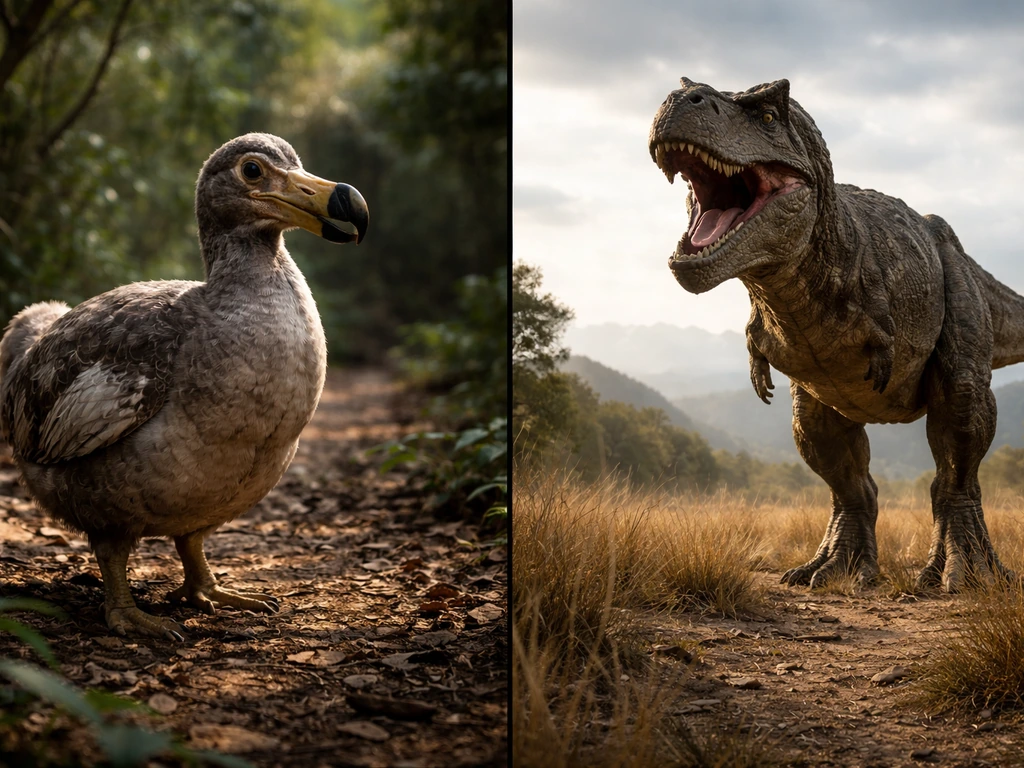
The dodo and T. rex are both extinct, both fascinating, and that's about where the overlap ends. The dodo (Raphus cucullatus) was a flightless bird that waddled around the island of Mauritius until roughly the late 1600s. T. rex (Tyrannosaurus rex) was a massive non-avian theropod dinosaur that stalked western North America about 66 to 68 million years ago. They never shared a continent, an era, or even a remotely similar ecological role. But comparing them side by side is actually a great way to understand how wildly different two extinct animals can be, even when people lump them together under the label of 'gone forever.'
Dodo Bird vs T Rex: Key Differences and What Would Happen

Marcus Hendricks
9 Jun 2026
Quick reality check: what each of these animals actually is
The dodo is a bird, full stop. It belongs to class Aves and sits within the order Columbiformes, meaning its closest living relatives are pigeons and doves. That might sound surprising given how different a dodo looks from a city pigeon, but the genetic and anatomical evidence is clear. It was endemic to Mauritius, a small island east of Madagascar in the Indian Ocean, and it evolved in near-total isolation with few natural predators. That isolation is a big reason it became so tame and vulnerable.
T. rex is not a bird at all in the everyday sense, though technically birds are living theropod dinosaurs. T. rex belongs to the non-avian branch: it's a coelurosaurian theropod in the family Tyrannosauridae. When people say 'dinosaur,' T. rex is often the first image that comes to mind, and for good reason. It was one of the largest land predators in Earth's history. These two animals aren't just different species; they belong to completely different chapters of vertebrate history.
When and where they lived
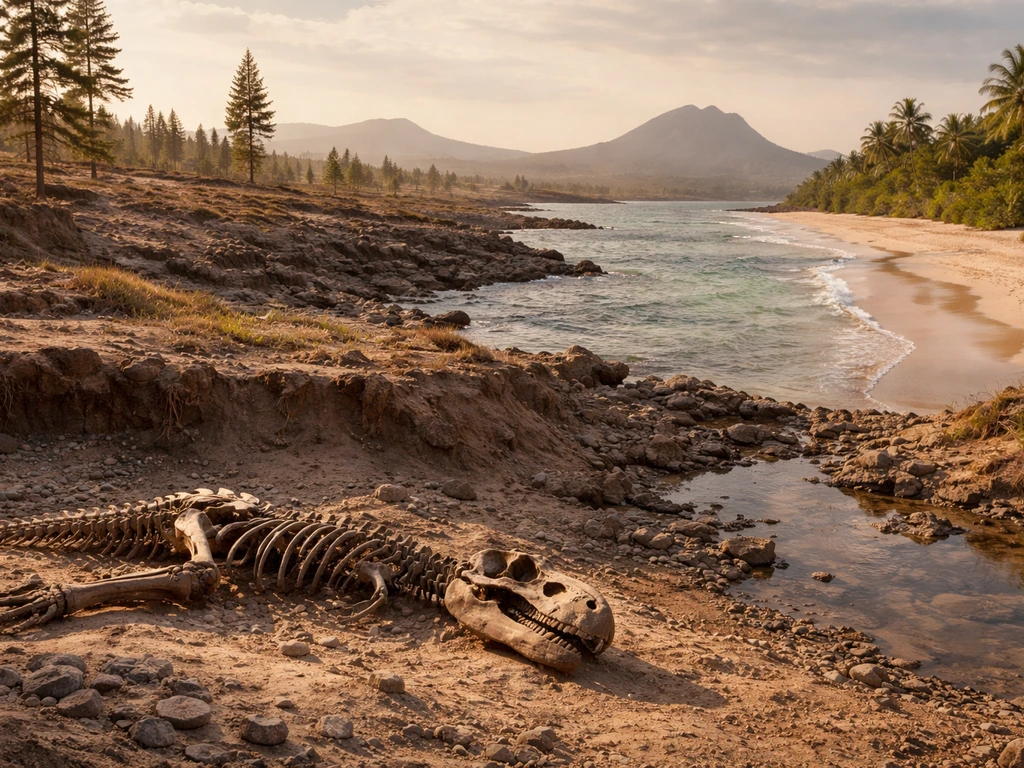
T. rex roamed what is now the western United States during the Late Cretaceous period, approximately 66 to 68 million years ago. Fossils have been recovered from states like Montana and Wyoming, and the species went extinct at the end of the Cretaceous mass extinction event along with all other non-avian dinosaurs.
The dodo, by contrast, is practically a modern animal in geological terms. It lived on Mauritius in the Indian Ocean and was only encountered by European sailors beginning in the late 1500s. The last confirmed sighting is typically attributed to a 1662 account by Volkert Evertsz, with the species considered fully extinct by around 1681. Many dodo subfossils have been recovered from the Mare aux Songes swamp on Mauritius, a marshy site that preserved the remains of recently extinct animals remarkably well. So the dodo and T. rex are separated by roughly 66 million years. That's not a small gap.
| Trait | Dodo | T. rex |
|---|---|---|
| Animal group | Bird (Aves, Columbiformes) | Non-avian theropod dinosaur |
| Species name | Raphus cucullatus | Tyrannosaurus rex |
| Time period | Existed until ~1681 CE | Late Cretaceous (~66–68 million years ago) |
| Location | Mauritius, Indian Ocean | Western North America (Montana, Wyoming) |
| Extinction cause | Human activity and introduced predators | End-Cretaceous mass extinction event |
Body and anatomy: beak vs teeth, size, and posture
The size difference here is staggering. The dodo weighed around 10.2 kg based on convex-hull and CT-based mass estimates, roughly the size of a large turkey. It stood on two robust legs, had a large rounded body, and carried a distinctive hooked beak suited to processing tough plant material. Its wings were small and reduced, but interestingly, muscle scars on the wing bones suggest they weren't completely useless. Researchers think they may have played a role in balance or display rather than flight. The dodo had no keel bone strong enough to support flight muscles, which is why it was permanently grounded.
T. rex was on an entirely different scale. Adults could reach around 12 to 13 meters in length and weigh somewhere between 8,000 and 14,000 kg depending on the specimen and the estimation method. Its skull alone could be over 1.
5 meters long. Instead of a beak, T. rex had jaws lined with thick, serrated, banana-shaped teeth designed for crushing and tearing. Bite force estimates from digital muscle modeling put the maximum force at the back teeth at somewhere around 53,000 to 57,000 N, making it one of the most powerful biting animals in the fossil record.
Where the dodo had wings (however small), T. rex had tiny forelimbs that were largely non-functional in prey capture but well-muscled for other purposes that researchers still debate.
Posture-wise, both animals were bipedal, meaning they walked on two legs. That's one of the few structural parallels you can draw. But the dodo held its body in a more upright, compact bird posture, while T. rex carried its massive body roughly horizontal, with a long stiff tail acting as a counterbalance to its enormous head.
How they ate and how they moved
Feeding mechanics
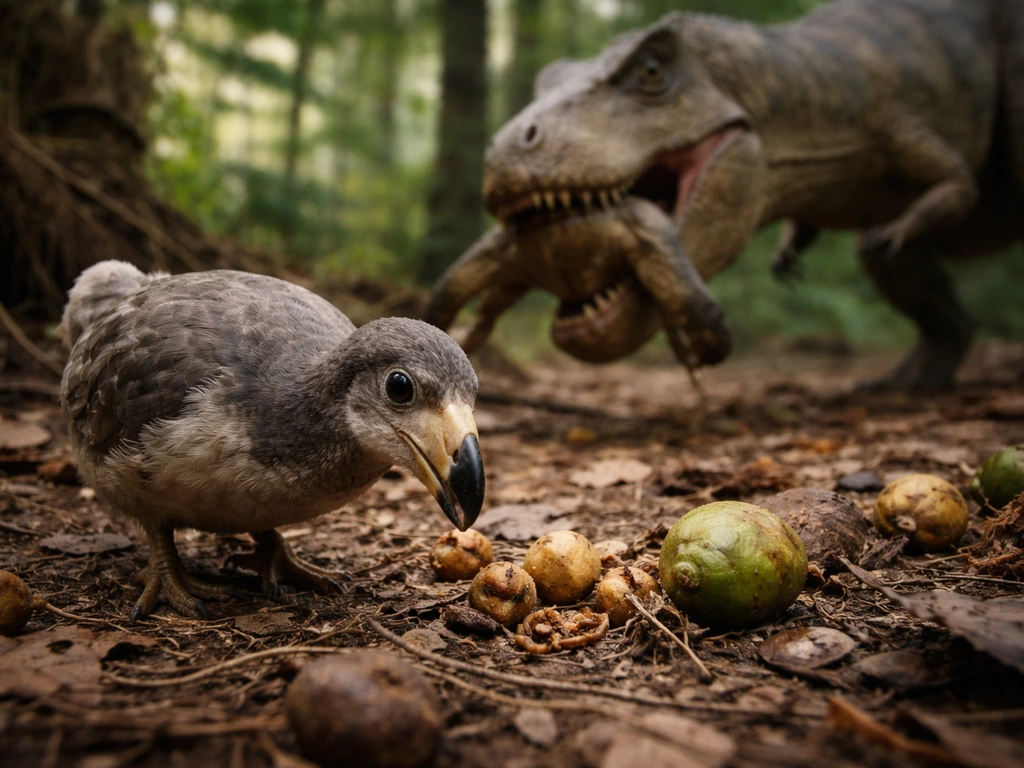
The dodo was almost certainly a plant-based forager. Diet reconstructions point to fallen fruits, seeds, roots, and other vegetation available on the forest floor of Mauritius. Like many birds, it likely used a muscular gizzard combined with swallowed stones (gastroliths) to grind down tough plant material it couldn't break up with its beak alone. A kiwi bird would rely on different foraging strategies and feeding adaptations than these dodo mechanics kiwi bird vs egg. This kind of digestive setup is common in birds that eat hard seeds or fibrous vegetation and still exists in living relatives like pigeons.
T. rex was a predator, and a well-documented one at that. A hadrosaur vertebra with a T. rex tooth embedded in it and healed bone growth around the wound is some of the clearest direct physical evidence of active predation ever found in the fossil record. It wasn't just a scavenger, though it likely scavenged when the opportunity arose. Biomechanical studies of bite traces and bone-processing marks show T. rex engaged in what researchers call osteophagy, basically crushing and consuming bone itself, something only an animal with extreme bite force could pull off. The feeding mechanics of these two animals couldn't be more different: one ground-level berry picker, one bone-crushing apex predator.
Locomotion
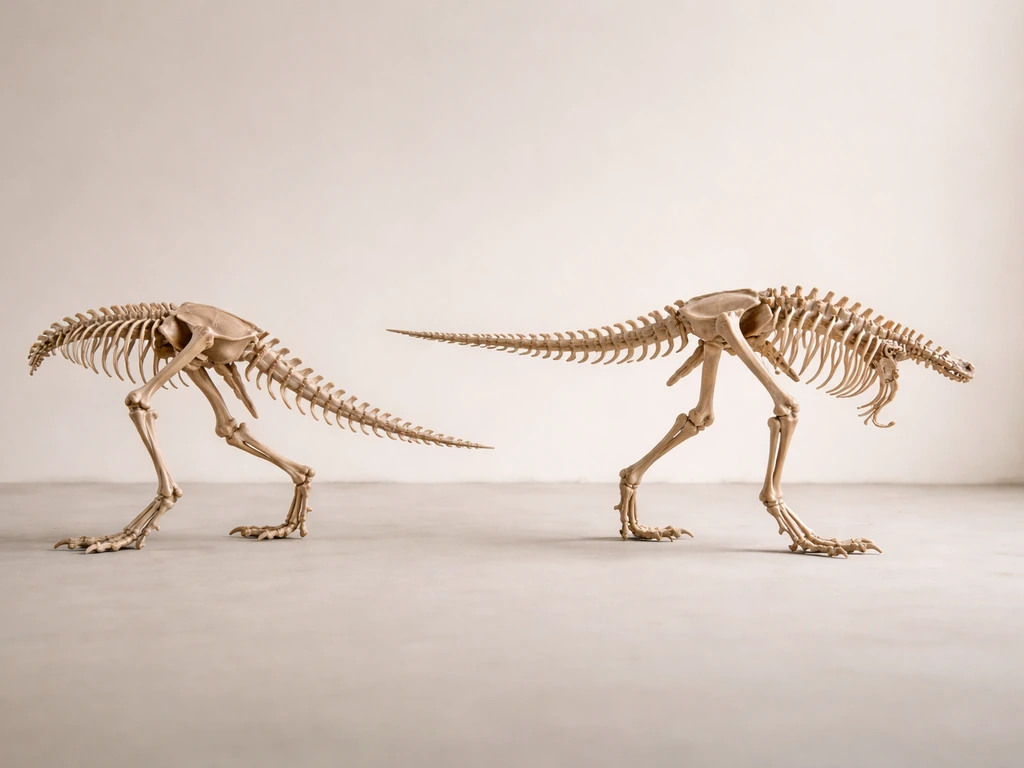
The dodo walked on sturdy legs and was a ground-based mover. It couldn't fly, but it wasn't helpless on foot. Its robust hindlimbs (femur, tibiotarsus, tarsometatarsus) have been analyzed in detail from skeletal reconstructions, and the proportions suggest a reasonably capable ground bird, not a stumbling, clumsy animal as it's often caricatured.
T. rex locomotion has been studied extensively and is still somewhat debated. Biomechanical modeling using multibody dynamic analysis suggests running speed estimates ranging from about 5 to 15 meters per second depending on the assumptions made about soft tissue, gait, and stress limits. Some studies argue T. rex was restricted to walking or relatively slow movement due to the mechanical stress a full sprint would place on its leg bones; others allow for faster movement. What's consistent across studies is that T. rex was a long-striding, powerful mover, not a sprinter in the conventional sense.
Behavior, ecology, and their roles in their worlds
The dodo lived on an island that had evolved with very few mammalian predators, which made it remarkably unafraid of humans when sailors arrived. That fearlessness was one factor in its rapid decline. The bigger drivers of extinction were habitat destruction, hunting, and the introduction of non-native animals: dogs, pigs, cats, rats, and crab-eating macaques all raided nests, competed for food, and devastated a population that had no behavioral defenses against that kind of pressure. The dodo was an island herbivore and ground forager, not an apex predator. Its ecological role was more like a large seed distributor in a low-predation environment.
T. rex sat at or very near the top of its food web. As an apex predator in the Late Cretaceous ecosystems of western North America, it preyed on large herbivorous dinosaurs and likely used its extraordinary senses, including what appears to have been excellent binocular vision and a highly developed olfactory system, to locate prey. There's also trace evidence for cannibalism among T.
rex individuals, which tells you something about competition within the species. Studies discussing cannibalism in Tyrannosaurus rex also use additional bite-mark and trace evidence to help distinguish scavenging from active predation across different sites and specimen ages [trace evidence for cannibalism among T. rex individuals](https://pmc. ncbi.
nlm. nih. gov/articles/PMC2955550/). Unlike the dodo, which faced a world that suddenly became dangerous when humans arrived, T.
rex evolved in an environment where massive prey and serious competition were already the baseline.
What 'vs' actually means here: real comparison vs fight scenarios
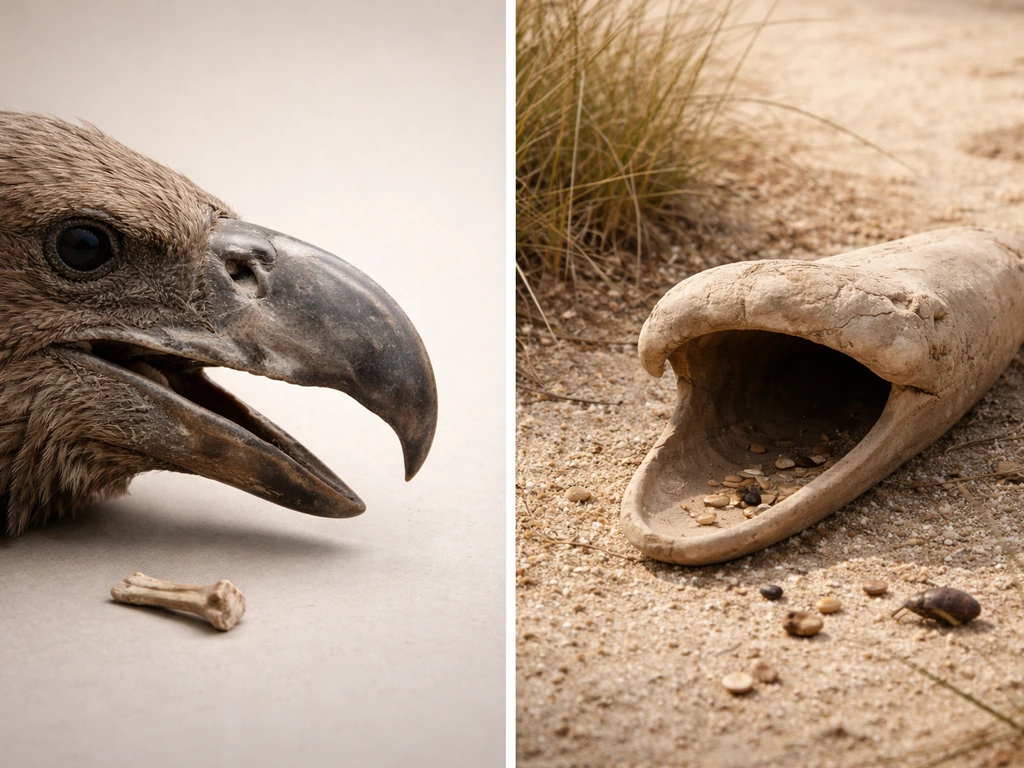
People searching 'dodo bird vs T. For a fair comparison, it's best to start with what each species was and how its environment shaped its behavior toward people dodo bird vs human. rex' are often curious about one of two things: how these animals compare on paper, or what would happen if they somehow met. The first question is totally answerable and genuinely interesting. The second one runs into the wall of basic reality pretty fast, but it's still worth thinking through carefully rather than dismissing. People also use the phrase Dugast small bird vs typhoon to ask what happens in imagined matchups, but this article keeps the focus on real biology and evidence.
On a pure biology and anatomy comparison, these animals sit at completely opposite ends of the spectrum. A 10 kg flightless island bird versus a 10,000 kg apex predator with bone-crushing bite force isn't really a contest in any realistic framing.
A more confusing but related question is how a small bird like the dodo would stack up against a typhoon, where weather and survival pressures dominate rather than teeth or bite force small bird like the dodo against a typhoon. The dodo had no natural defenses against large predators because it never needed them. Its beak was adapted for processing vegetation, not defense. T.
rex, by contrast, was built around offense: powerful jaws, strong legs, and the sensory equipment to hunt large prey. There's no biomechanical framework in which the dodo presents a competitive challenge to T. rex.
That said, the more useful takeaway from a 'vs' framing is what it reveals about evolutionary context. The dodo's anatomy makes perfect sense for a low-predation island environment. T. rex's anatomy makes perfect sense for an environment of large prey and intense ecological competition.
Comparing them isn't about fantasy matchups; it's about understanding how different selection pressures produce radically different animals. This is exactly the kind of thinking that's useful when comparing any two animals, whether it's the dodo against a shoebill, a dodo against another flightless bird like the terror bird, or T.
This is exactly the kind of thinking that's useful when comparing any two animals, whether it's the dodo against a shoebill, a dodo against another flightless bird like the terror bird, or T. rex against other theropods. If you want to take that same evolutionary-context approach in the real world, a dodo bird vs shoebill comparison makes a fascinating case study a dodo against a shoebill. rex against other theropods.
A good method for any cross-animal comparison: anchor everything in biomechanical evidence. Use bite force models, mass estimates from CT and convex-hull data, locomotion studies, and fossil trace evidence rather than intuition or pop-culture framing. That's how researchers actually compare extinct animals, and it gives you something real to work with instead of guesswork.
Side-by-side snapshot
| Feature | Dodo | T. rex |
|---|---|---|
| Body mass | ~10.2 kg | ~8,000–14,000 kg |
| Head/mouth | Hooked beak, pigeon-relative skull | Massive jaws with serrated teeth |
| Bite force | Not a biting predator | Up to ~53,000–57,000 N (back teeth) |
| Forelimbs | Small reduced wings (some muscle use) | Tiny, largely non-functional forelimbs |
| Locomotion | Ground walking, bipedal | Bipedal, powerful strides, debated top speed |
| Diet | Plants, seeds, fruit (likely gizzard + gastroliths) | Large prey, active predator, bone-crushing |
| Ecological role | Island herbivore/forager | Apex predator |
| Threats/extinction | Humans, introduced mammals, habitat loss | End-Cretaceous mass extinction |
Where to go from here
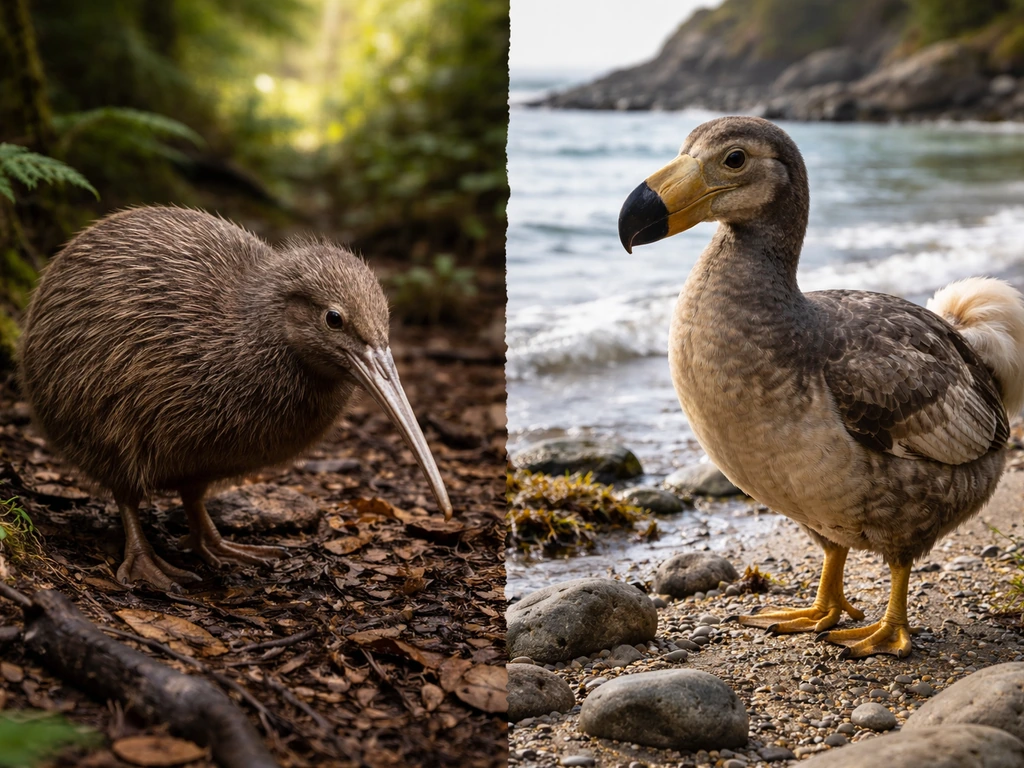
If this comparison sparked your curiosity about extinct birds specifically, the dodo has some fascinating neighbors in that conversation. Comparing the dodo to the terror bird puts you in genuinely strange territory: another flightless bird, but one built as a predator rather than a forager. Looking at how the dodo stacks up against the kiwi highlights what island isolation does to bird body plans over time.
Comparing the kiwi bird to the dodo also shows how island isolation and flightlessness can shape very different evolutionary outcomes. If you are curious about a more modern relative, the kiwi bird vs egg question is a common way to explore how bird parenting and nesting strategies differ across species.
And if you want to understand the dodo in the context of living birds, the shoebill makes for a compelling comparison: another large, unusual bird with an imposing beak and a very different evolutionary history. Each of those comparisons follows the same method: anchor the analysis in anatomy, behavior, and ecological context, and the differences become clear on their own.
FAQ
When people say “T. rex was a bird,” how should I interpret that accurately compared to the dodo?
Use the closest living relatives to frame it correctly: dodos are within the pigeon and dove lineage, so their adaptations connect to bird diets and gizzards. T. rex is a theropod dinosaur outside the bird lineage, so its adaptations connect to muscle, jaw mechanics, and predatory sensing rather than bird-style digestion or flight-related anatomy.
Is a “dodo bird vs T. rex” matchup even meaningful, and what would be a better way to compare them?
A fair comparison is not to treat it like a fight, because the animals evolved for incompatible niches. In practical terms, the dodo’s beak and gut design point to plant processing, while T. rex’s skull and tooth form point to crushing and tearing tissue and bone, plus the ability to tackle large prey.
Why were the dodo and T. rex so differently “prepared” for threats from other animals, including humans?
If you want to compare “danger level,” look at ecological context instead of instincts. The dodo’s island life with few predators helps explain its lack of effective defensive behaviors against introduced mammals. T. rex evolved alongside large prey and competition pressures, so its sensory and biting toolkit was tuned for active hunting.
Did dodo wings and T. rex forelimbs have similar purposes, or are they fundamentally different?
The dodo had reduced wings that were not adapted for sustained flight, and its anatomy lacked a flight-supporting keel. T. rex had small, non-functional forelimbs for prey capture in most reconstructions, but those arms still had muscle attachment evidence, supporting roles that may include grappling or stabilizing rather than flight.
Both were bipedal, so were their walking and balance mechanics actually comparable?
Yes, bipedal movement can look superficially similar while being biomechanically different. The dodo’s posture and compact bird-like body plan suggest a different center of mass and gait strategy than a long-tailed, horizontal-bodied theropod with a stiff tail used for balance.
Why do size and weight numbers for dodo and T. rex vary between sources?
Mass estimates depend strongly on the method. For example, dodo mass is often derived from reconstruction approaches tied to skeletal measurements and imaging-based estimates, while T. rex mass can vary across studies based on how the soft tissue envelope and body proportions are modeled.
How do we know what each animal ate, and how reliable are the diet inferences?
The dodo’s diet reconstruction typically emphasizes fallen fruits, seeds, and other fibrous plant parts, plus likely gizzard processing with swallowed stones. T. rex’s feeding evidence includes direct signs of active predation and marks consistent with eating bone, which implies different jaw forces and digestive strategies than any plant-grinding setup.
Why is the dodo’s extinction timeline discussed with historical sightings, while T. rex is tied to a mass extinction event?
The fossil record is uneven. For the dodo, “last sightings” rely on historical records, while the last genetic or population-level extinction signal is not directly observable. For T. rex, extinction timing is inferred from the end-Cretaceous extinction event and stratigraphic fossil ranges, which can still miss local survivals.
Was the dodo actually slow or clumsy on land, or is that pop-culture exaggeration?
Don’t assume “no flight” means it was a poor runner. Evidence from the dodo’s leg proportions and skeletal analyses supports capable ground movement. Many caricatures exaggerate clumsiness, but the anatomy supports an animal adapted to walking and foraging on the island floor.
How confident are scientists about how fast T. rex could run, given the competing modeling results?
For T. rex speed, biomechanical models can produce a wide range depending on assumptions about soft tissue, stress limits in leg bones, and gait parameters. Some studies favor walking or relatively slower movement to reduce mechanical risk, while others allow faster movement, so the safest takeaway is that it was powerful and long-striding rather than a conventional sprinter.
Next Articles
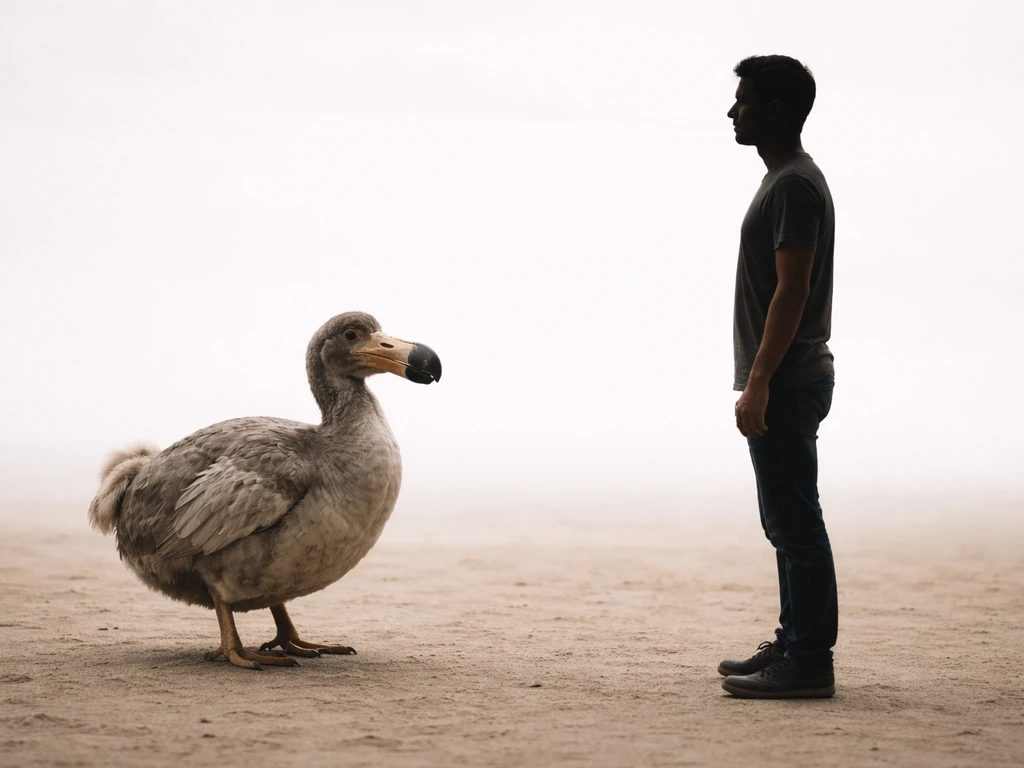
Dodo Bird vs Human: Key Biological and Survival Differences
Side by side dodo bird vs human biology and survival: flightlessness, diet, senses, locomotion, and human-driven extinct
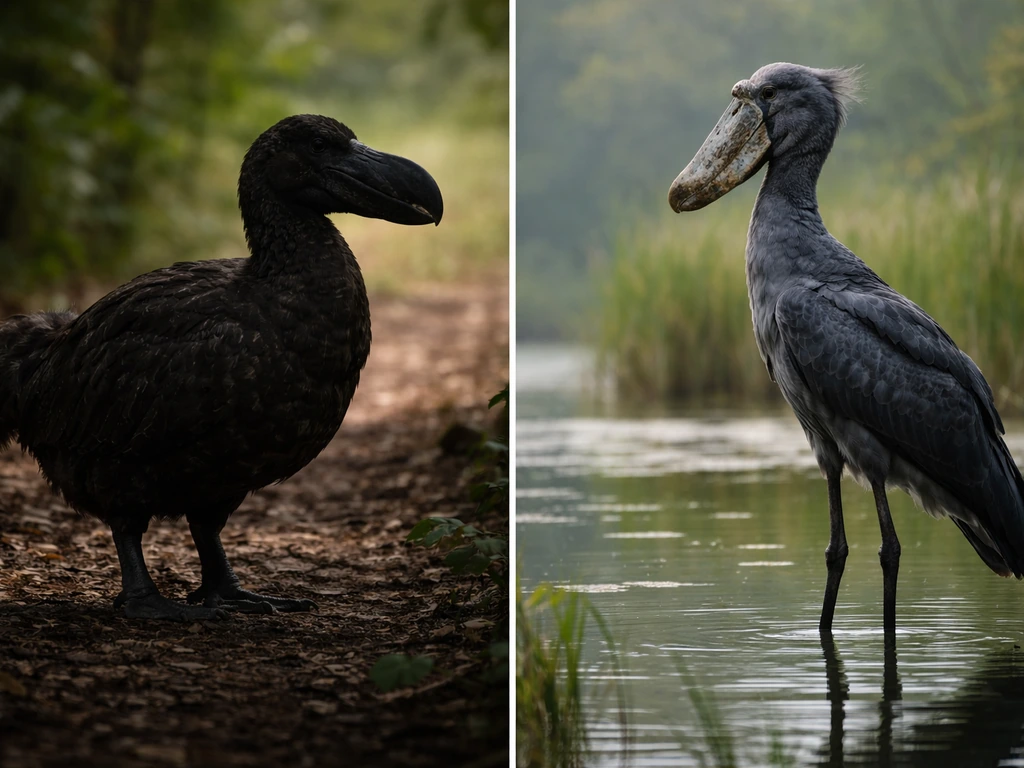
Dodo Bird vs Shoebill: Key Differences in Appearance, Ecology
Side-by-side guide to tell dodo vs shoebill apart by look, size, beak, habitat, and behavior, plus photo tips.
Kiwi Bird vs Dodo: Key Differences and Spotting Tips
Kiwi vs dodo comparison with easy spotting tips on looks, flightless traits, habitat, diet, and why dodo went extinct