
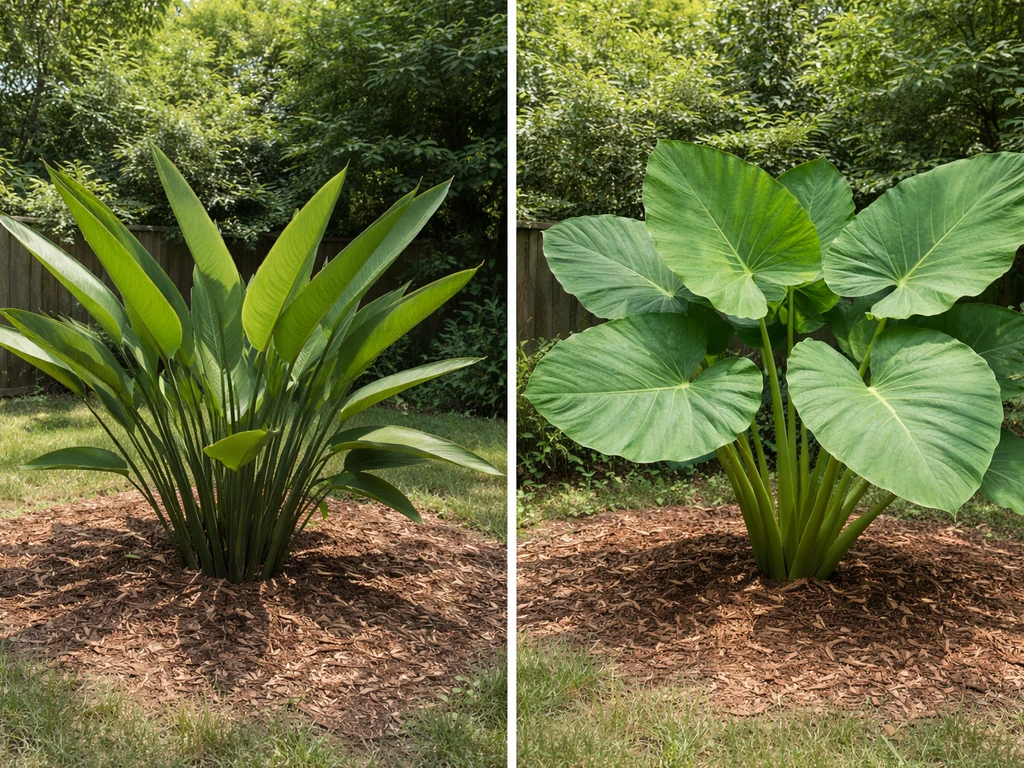
Bird of paradise (Strelitzia) and elephant ear are two completely different plant families with very different leaf shapes, growth habits, and care needs. Bird of paradise has long, paddle-shaped leaves that fan out from a central stem and produces those iconic orange-and-blue flowers. Elephant ear has massive, heart-shaped or arrow-shaped leaves that point up or droop dramatically, and it grows from underground corms or tubers. Once you know what to look for, you can tell them apart in about ten seconds standing in a nursery aisle.
Bird of Paradise vs Elephant Ear: How to Tell Them Apart

Marcus Hendricks
15 May 2026
Why people confuse these two plants
The confusion is completely understandable. Both plants scream "tropical," both grow big leaves, and garden centers often group them together in the same "tropical accent plants" display. Strelitzia nicolai, the giant white bird of paradise, makes it worse because it develops a tall, clumping, banana-tree-like silhouette that can reach 7 to 8 meters tall with a spread of around 3.5 meters. At that size, standing next to a large Colocasia or Alocasia elephant ear, the two can look like cousins from a distance. Add the fact that common names are a mess in the ornamental trade, and you have a genuine identification problem.
The name "elephant ear" itself covers a whole group of plants, not one species. Depending on the nursery, the tag might refer to Colocasia, Alocasia, or Xanthosoma, which are three separate genera in the Araceae family. They share the giant-leaf look but differ in leaf attachment, preferred moisture, and hardiness. On the other side, "bird of paradise" is applied to Strelitzia reginae (the classic orange-flowered species) and Strelitzia nicolai (the giant white-flowering version). If your goal is to avoid confusion, look specifically at the white bird of paradise (Strelitzia nicolai) and how it differs from the classic orange bird of paradise white bird of paradise vs bird of paradise. Sellers sometimes mislabel both. So before you rely on the tag, check the plant itself.
Quick ID checklist: leaves, habit, and overall look
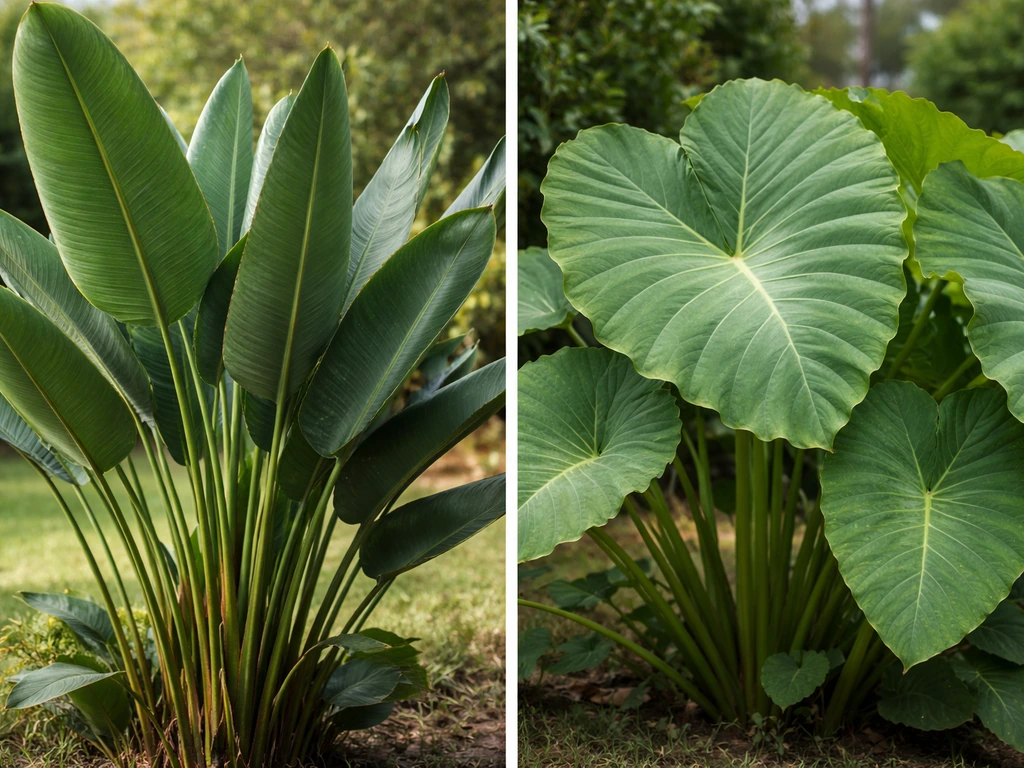
Run through this checklist when you are standing in front of an unlabeled plant or trying to identify something already growing in your yard.
Bird of paradise clues
- Leaves are long, paddle-shaped, and oblong, similar to a banana leaf but stiffer and held on long, upright petioles
- Leaves fan out in two distinct ranks from the stem, creating a neat, flat fan shape rather than a loose rosette
- Edges of the leaf blade are smooth and the texture is leathery and firm, not floppy
- Stems are stiff and woody on Strelitzia nicolai; Strelitzia reginae stays lower (around 1 to 1.5 meters) and clumps from the base without a visible trunk
- No prominent heart shape or notch at the base of the leaf where it meets the petiole
Elephant ear clues
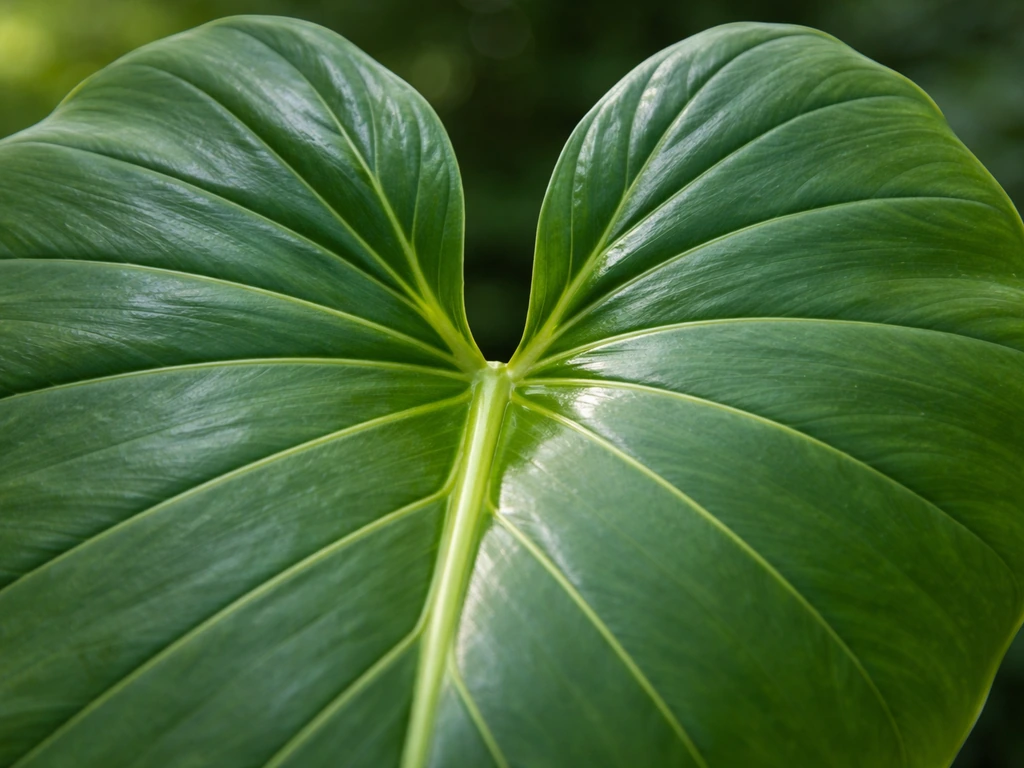
- Leaves are very large, heart-shaped or arrowhead-shaped with a deep notch (sinus) at the base where the petiole attaches
- Colocasia leaves are often described as having the petiole attach near the center of the leaf (peltate), while Alocasia leaves attach at the notch edge
- Texture is often softer, sometimes velvety or waxy depending on the genus, and the leaves can droop at the tips
- Plants grow from underground corms, tubers, or rhizomes, not from a woody stem base
- Overall habit is a rosette of leaves radiating outward and upward from a central crown at ground level, giving a rounder, more open silhouette
- Colocasia (taro types) typically reaches around 1.5 meters tall with thick shoots; some Alocasia varieties can get larger
Flowering clues that confirm which plant you have
If you can catch either plant in bloom, identification becomes easy. Strelitzia reginae produces its famous flower: a rigid, beak-like spathe in orange and blue that genuinely does look like a tropical bird's head emerging from the stem. Flowers open in succession beginning in late winter or early spring, though be warned that young plants can take several years before they bloom at all. Strelitzia nicolai blooms with white and dark blue flowers held just above where the leaf fan emerges from the stem, which is a distinctive visual if you ever see it in person.
Elephant ear plants in the Colocasia, Alocasia, and Xanthosoma genera are grown almost entirely for their foliage. They do flower, but the blooms are small, arum-type spathes tucked low among the leaves and are easy to miss. Most gardeners never see them, and the flowers have none of the drama of a Strelitzia. So if the plant you are looking at has an extraordinary, bird-shaped flower, it is definitely bird of paradise. For Mexican birds of paradise, compare the growth and flower form to similar look-alikes like pride of Barbados to avoid misidentifying which plant you have bird-shaped flower. If you have never seen it flower and only know it for its giant leaves, there is a real chance it is an elephant ear.
Care differences that actually affect success
| Care Factor | Bird of Paradise (Strelitzia) | Elephant Ear (Colocasia/Alocasia/Xanthosoma) |
|---|---|---|
| Light | Needs at least 6 hours of direct sun daily; insufficient light is a top reason plants fail to bloom | Most prefer full sun but tolerate partial shade; some Alocasia varieties do well in bright indirect light indoors |
| Watering | Water freely in spring and summer; keep noticeably drier in winter; excellent drainage essential | Moisture-demanding; wants consistent moisture and plenty of water, though soil must still drain well |
| Soil | Well-drained soil is critical; mulch 2 to 3 inches around plants helps conserve moisture and protect roots | Tolerates wetter conditions than Strelitzia; Colocasia can even grow at pond edges |
| Fertilizing | Feed every 2 weeks in summer and monthly in winter for best blooming results | Benefits from regular feeding during the growing season; heavy feeder for large leaf production |
| Size | Strelitzia reginae stays compact at 1 to 1.5 m; Strelitzia nicolai can reach 7 to 8 m tall | Colocasia typically reaches about 1.5 m; some Alocasia species get much larger in ideal conditions |
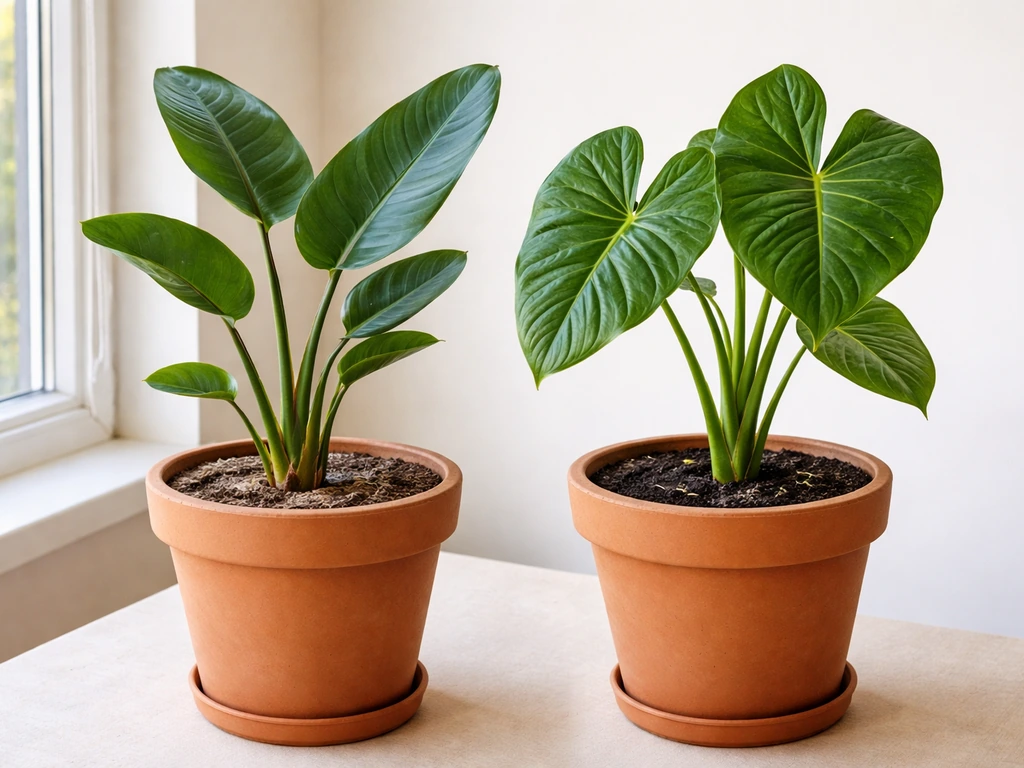
| Container suitability | Strelitzia reginae is well-suited to containers and commonly grown indoors in pots | Can be grown in large containers but bulky root systems and spreading habit can be limiting |
The single biggest care mistake people make after mixing these up is watering. Elephant ears want moisture. Bird of paradise wants drainage and dries out between waterings in the off-season. In the red bird of paradise vs Mexican bird of paradise comparison, the key differences are the flower color and the exact Strelitzia type you are buying. Giving a bird of paradise the constant moisture an elephant ear craves is one of the fastest ways to rot its roots. Getting the watering rhythm right matters more than almost anything else.
Growing conditions: indoors, outdoors, and climate basics
Strelitzia reginae is cold-sensitive and frost will damage both the flowers and leaves. It thrives outdoors in USDA Hardiness Zones 10 through 11 and may survive slightly farther north with reliable frost protection. Strelitzia nicolai is listed for zones 9B through 11, so it handles a touch more cold but still not a hard freeze. Both species prefer full sun to light shade and moist, well-drained soil when planted outdoors. Indoors, Strelitzia reginae is one of the most popular large houseplants precisely because it tolerates containers well and adapts to bright indoor light, though you need a genuinely sunny window to have any hope of flowering.
Elephant ears are tropical perennials that also dislike frost, but many gardeners in colder climates treat them as annuals or dig up the corms in fall and store them over winter. In mild climates, they come back reliably year after year. Outdoors they perform best in full sun with consistent moisture, and some Colocasia varieties are actually grown as marginal aquatic plants at the edges of ponds. Alocasia varieties are increasingly popular as indoor plants, especially compact cultivars, where they appreciate bright indirect light and humidity. If you live somewhere humid with warm summers, both elephant ears and bird of paradise will grow vigorously outdoors. In dry or cold regions, bird of paradise is generally the more forgiving choice with less fuss over watering schedules.
Which one should you choose for your space?
If you want a dramatic indoor statement plant that fits in a container and can actually flower in your living room (given enough sun), Strelitzia reginae is the answer. It stays manageable, does not demand constant moisture, and the flowers are genuinely spectacular. Just commit to a very sunny spot and accept that it might take a few years to bloom.
If you want the fastest, most dramatic tropical foliage effect in a garden bed or large outdoor space, elephant ear wins on sheer leaf size and speed. A Colocasia can put up enormous leaves in a single season in warm, moist conditions. The downside is the water demand and the fact that you may need to manage or divide them regularly as they spread.
If you want a tall, structural outdoor plant that anchors a tropical garden design and can eventually become a multi-stemmed focal point, Strelitzia nicolai is worth considering, though its eventual size demands real space. It is also worth knowing that if you are drawn to the giant banana-leaf silhouette of Strelitzia nicolai, you may want to compare it directly against banana trees, which have a similar look at a glance. If you want the clearest distinction, use a bird of paradise vs banana tree comparison to spot the subtle differences in leaf and growth habit compare it directly against banana trees. Likewise, if the split-leaf look is part of the appeal, there are comparisons worth making against monstera that can help clarify what you actually want in that space. If you are comparing bird of paradise vs monstera, focus on the leaf shape and how the leaves emerge from the stem.
A quick recommendation by goal
- Best indoor container plant: Strelitzia reginae, hands down
- Best for fast, bold outdoor foliage: Elephant ear (Colocasia or Alocasia depending on your moisture situation)
- Best for a dramatic garden focal point with flowers: Strelitzia reginae or Strelitzia nicolai
- Best for low-maintenance once established: Bird of paradise, which needs less water management than elephant ear
- Best for wet or pond-side spots: Colocasia (elephant ear), which handles waterlogged conditions Strelitzia never would
- Best for colder climates with warm summers: Elephant ear grown as an annual (dig corms in fall), since Strelitzia is less forgiving of cold
One last practical note: when you are buying at a nursery, do not just read the tag. Check the leaf base shape (heart with a notch for elephant ear, smooth paddle for bird of paradise), feel the leaf texture, and look at whether the plant grows from a visible corm or crown at soil level versus a clumping stem base. Sellers mix up labels, and knowing what the plant actually looks like saves you from setting up the wrong care routine from day one.
FAQ
What’s the fastest visual check if the plant isn’t blooming yet?
Look at the leaf base and attachment, not just the overall leaf size. Elephant ear leaves typically have a heart or arrow shape at the attachment point, and many appear to “wrap” from a crown, while bird of paradise leaves attach in a fan from a central, clumping stem/crown and look smooth, paddle-like from the start.
If the tag says “elephant ear,” how can I tell whether it’s Colocasia, Alocasia, or Xanthosoma?
Don’t rely on the common name. Try checking the habit and leaf posture: Colocasia is often the most reliably moisture-loving and can grow more upright or broad, Alocasia commonly has a more pronounced, dramatic leaf form and is frequently sold as indoor-friendly types, and Xanthosoma often shows a different leaf size and overall vigor in warm conditions. The easiest step is to match the care needs the seller lists (water level and sun tolerance) to your conditions.
How can I avoid rot if I’m unsure whether I bought bird of paradise or elephant ear?
Use a drainage-first rule. For anything that might be Strelitzia, water deeply, then let the top layer dry before watering again, and keep soil in a pot or bed that drains quickly. If it turns out to be elephant ear, you can increase moisture gradually, but rot risk is highest when the soil stays wet with low drainage.
Do bird of paradise leaves ever droop like elephant ears?
Yes, but the pattern usually differs. Strelitzia can droop when it’s dry, stressed, or too cold, whereas elephant ear droop is often part of the normal leaf posture and can also happen when conditions are very wet. If droop improves after correcting watering, that’s a clue it may be Strelitzia drying out rather than an elephant ear’s normal habit.
What should I do about cold weather for these plants in zone 9 and colder?
Expect both groups to suffer in freezes, even if one is listed slightly higher. For Strelitzia, consider frost protection or moving potted plants indoors before cold snaps. For elephant ears, many gardeners dig up corms/tubers in fall and store them cool and dry to prevent rot, then replant after danger of frost.
Can I grow either of them indoors year-round, and will they bloom?
Bird of paradise can bloom indoors, but it usually requires consistently bright light from a very sunny window and a large enough pot. Elephant ears can grow well as foliage plants indoors, but flowering is usually insignificant. If your home light is moderate, plan for leaves rather than flowers and avoid overwatering to compensate for low light.
What soil texture should I use if I’m planting outdoors?
For bird of paradise, prioritize “moist but draining,” meaning amended soil and no waterlogged pockets. For elephant ears, you still need workable drainage, but they perform best with more consistent moisture, including richer soil that holds water longer. A practical test is to observe where water sits after rain, if a spot stays soggy, it’s a poor match for Strelitzia.
How do I tell if I have the big-leaf “tropical” look-alikes like banana tree or monstera instead?
Banana-like silhouettes can be confusing with Strelitzia nicolai, because both can form tall pseudostem-like structure. Check leaf emergence and the growth core, Strelitzia typically grows from a crown with a clear fan structure. For split-leaf look-alikes such as monstera, compare how leaves develop, monstera has perforations or splits in a very specific pattern rather than the clean paddle or heart/arrow base typical of these two groups.
Should I expect the leaf color to be different right away after I bring it home?
Often, yes. Elephant ears may look temporarily uneven if roots are disturbed or if indoor humidity is lower than their preferred outdoor conditions. Strelitzia may show slower growth initially, and leaf texture can look dull if light is too low. The key is to adjust light first for both, then fine-tune watering based on whether the soil dries too slowly or too quickly.